SKUNKCABBAGE-MOSS-400X575
Photo via Wikipedia by Quadell

Urban Wilds is written by Lela S. Lela lives in Petworth. You can read Lela’s first post on Wood Frogs here.

Eastern Skunk Cabbage

Skunk cabbage is called that for a reason, and you can sniff out these wetland plants with your eyes closed. But in early spring, they’re most visible as some of the very first plants to begin to flower, sometimes when there’s still snow on the ground. In a reversal of my last post, they do this by actually generating their own heat. In the process of warming themselves up, the plants burn through a huge amount of oxygen – as much by weight as a hummingbird would use. This thermal mechanism is two kinds of good for the skunk cabbage. The heat protects their developing tissues from the cold, letting them actually melt through layers of snow or ice and get a jump on other plants. It also warms and helps to disperse the molecules that make up the plants’ particular smell, attracting early-hatching insects. That fragrance contains chemical compounds similar to those in rotting flesh, wonderfully called putrecine and cadaverine. I think the smell is kind of delicious, in a woodsy way.

Look for young skunk cabbages in low-lying, wet areas in early March – Rock Creek is always a good bet. Their purple and green spathes (bizarre, twisted pods containing the flowers) should be visible now, and the plants may be leafing out. Later in the spring, the big, vigorous leaves can completely dominate an area, crowding out the competition in a thick blanket of green.


Photo via Wikipedia by W-van

Urban Wilds is written by Lela S. Lela lives in Petworth. You can read Lela’s first post on Great Horned Owls here.

For wood frogs, our recent warmer-than-usual temperatures must be existentially boring. These pretty little brown frogs are widespread along much of the East Coast and Midwest, across a swath of Canada into Alaska. They’re the only amphibians that live north of the Arctic Circle. In winter, wood frogs hibernate near the forest floor, digging under leaves or shallow layers of soil, where they are still exposed to freezing air temperatures. When the mercury drops, they perform a trick we still don’t entirely understand: freezing almost solid. The frogs’ bodies produce cryoprotectant substances including glucose, which protects their cells from being damaged by ice crystals. As they grow colder, the water in their body cavities turns to ice; their hearts stops beating; and even the lenses of their eyes freeze and turn white. Eventually, more than half of the water in the frog’s body can be solid ice. Wood frogs can freeze and thaw multiple times in a season, and we know they can survive at least four weeks of being continuously frozen.

In the DC area, wood frogs mate in March and lay their eggs in vernal ponds, temporary pools that appear during the spring thaw. At only about two inches long, they’re hard to spot – try listening instead. Rainy nights are the best time to hear them chorusing en masse, with distinctive calls that sound, weirdly, a little like the quacking of ducks.


Photo by PoPville flickr user Mr. T in DC

Yesterday @prestonrhea sent word via twitter:

“Today’s Mount Pleasant listserv: a potentially rabid fox seems to have wandered around NW MtP and bit a woman in the ankle.”

And this morning I received the following email:

Dear PoPville,

Just a word of caution to PoPville- watch out for foxes near rock creek park. My friend was walking with her baby yesterday on Tilden Rd in Mount Pleasant on her way towards Rock Creek and a fox attacked her. She said the lone fox came out of nowhere and went straight for her ankle. Her husband was with her and was able to beat it off and animal control eventually caught it in someone’s front yard. She ended up in urgent care receiving at least 20 injections, one for each bite wound and she’ll need to go back for at least 5 more follow up injections. Her leg is pretty messed up. Thankfully, the baby is fine.


Photo by PoPville flickr user mosley.brian

Urban Wilds is written by Lela S. Lela lives in Petworth.

Great Horned Owls

Why now:

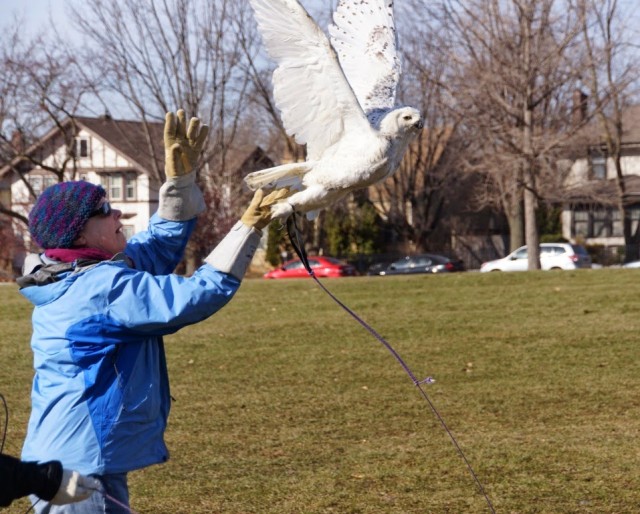
The biggest owls in DC are nesting right now, making it the perfect time to hear them. Great Horned Owls are at their noisiest in late winter, hooting back and forth to each other as they try to find a mate. Once they pair off, the owls will build nests inside hollow trees, or take over abandoned hawk nests. Over the next few months, they’ll raise two or three owlets, feeding them with selections from the city’s rat population and other choice edibles.

The Great Horned call is a classic “who who whooo, who, who,” though they can also bark and (unnervingly) shriek. Despite their size – with wingspans of up to four feet – you’re more likely to hear an owl than to see one. If you’re lucky, you could spot one at twilight, flying over fields close to the edge of the woods.

Where and how to find them:

Great Horned Owls are residents of Rock Creek and the National Arboretum, and have been seen in other parts of town. Listen for them calling between dusk and midnight, or just before dawn. During the daytime, sometimes crows will ‘mob’ an owl to drive it off. If you hear a group of crows making noise, chances are good that they’re heckling an owl, and you might catch a glimpse of it flying away.

(You’ll probably never come face to face with an owl. Just in case, keep in mind that owls and their nests are protected under federal law. Enjoy from a distance.)


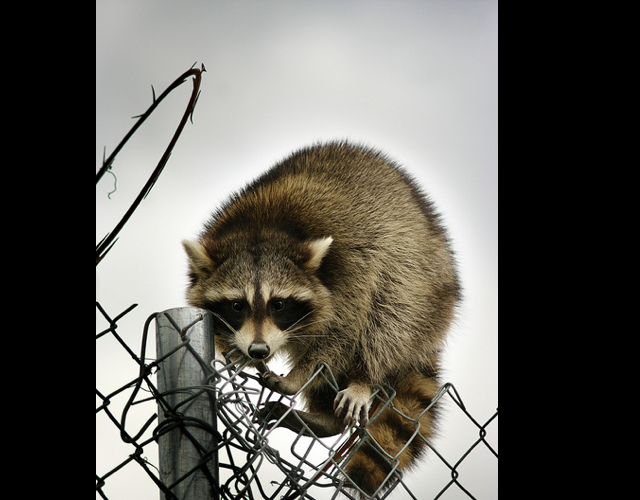
Photo by PoPville flickr user Mr. T in DC

The following has been circulating on all the neighborhood listservs:

I am proud to be one of five local plaintiffs in a lawsuit opposing the National Park Service’s barbaric plan to kill deer in Rock Creek Park. The plan is on hold until the lawsuit is heard in court. Please see the email below and voice your support for our work by signing our petition at the link provided below.

You can stay up-to-date on the latest developments by joining us on Facebook and Twitter.

1) An excellent opinion piece promoting contraception for the Rock Creek Park deer was published in the Feb. 3, 2013 edition of The Washington Post by two eminent scientists in the field of wildlife population control. It can be read here:

2) A petition asking the National Park Service to use only non-lethal methods, including contraception, to control the deer population in Rock Creek National Park has been posted on Change.Org

We hope you will sign it and forward it on to others in the area, across the country, and around the world.

You can also type in a message as to why you support the petition. You’re not required to leave a comment, however.

The petition is written for:

– those who think that humans should strive to live in peaceful co-existence with the beautiful wildlife in our midst.

– those who think that the future of wildlife population control is the use of fertility-control agents — not death and destruction without end.

– those who oppose the National Park Service’s plan to terrorize and brutalize our wonderful Rock Creek Park deer.

Ignoring federal law and its own rules — and for the first time in the 123-year history of the park — the National Park Service has ordered the killing of animals who live in Rock Creek Park. The Park Service plans to kill half of the park’s 314 deer in the first year of a multi-year killing program.

These gentle animals, who have never before been harassed or hunted, will be shot with bullets and arrows after being lured to piles of grain, apples, and hay; others will be killed after capturing them with nets and shooting them in the head with penetrating captive-bolt guns, or by being bled to death.

To those who think this is wrong — we hope you will sign the petition.

On the Takoma listserv one resident left the following response:

How do you feel about the idea deer having to wander further afield in search of food and get hit by cars?

Or slowly starve to death as they continue to wipe out all the foliage in Rock Creek Park due to their over-population?

What are you proposing to do about that? Contraception for the deer is a great idea for long-term over-population, but it doesn’t solve the problem of the deer — which are NOT native to the area — which are already there and causing problems to both the park and the surrounding neighborhoods.


View More Stories