white-squirrel

A reader reports:

“I’ve seen this little guy two mornings in a row now. In the middle of Logan Circle. According to the other neighbors walking their dogs, they’ve been seeing him for the last week or two. Sure is a good lookin’ fella, isn’t he?”


deer-crestwood

From the National Park Service:

“The upcoming window of action for deer reduction in Rock Creek Park will be November 15, 2016 through March 31, 2017. This is the fifth operational window for the Rock Creek Park White-tailed Deer Management Plan. Temporary night-time road closures will be in effect to provide for visitor and employee safety during reduction activities. Commuters, including cyclists, are advised to plan alternate routes.

Extensive safety measures will be in place to protect park visitors and neighbors during operations. Biologists, who are also highly trained firearms experts from the U.S. Department of Agriculture, will be working under the direction of National Park Service (NPS) resource management specialists and in coordination with U.S. Park Police and local law enforcement to conduct reduction actions at night when the park is normally closed.

The following road closures in NW D.C. may be in effect from 5 p.m. to 4 a.m. when operations are underway: (more…)


29907226314_53ff890c71_z

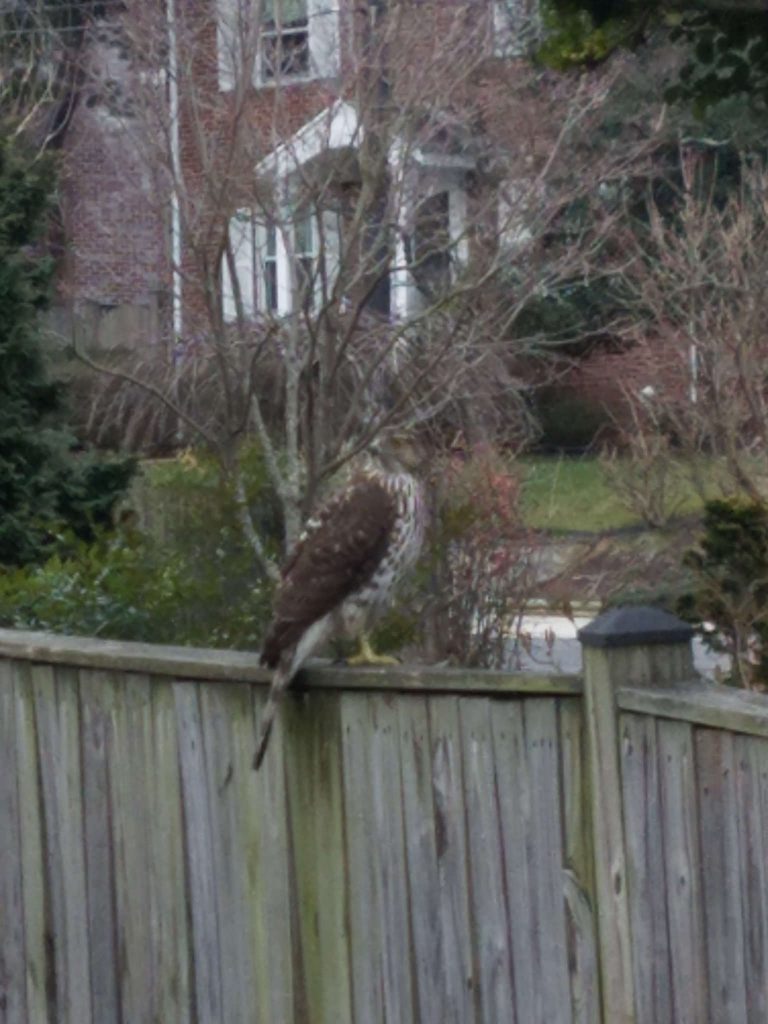
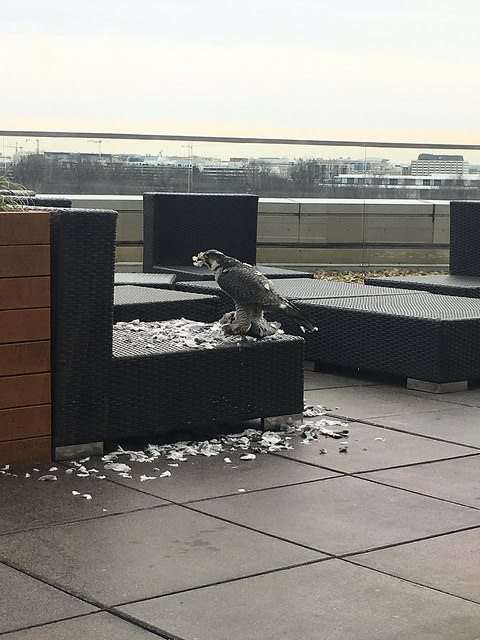
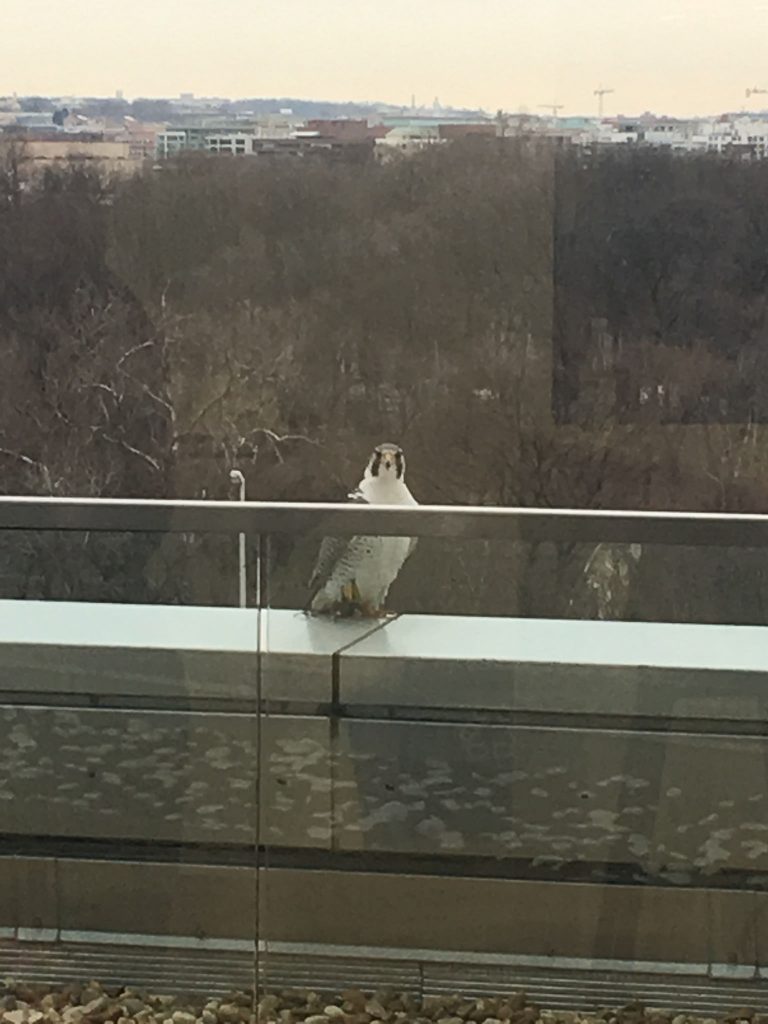
Last week we saw a great shot of a hawk on H Street, NE. This weekend Rachel reports:

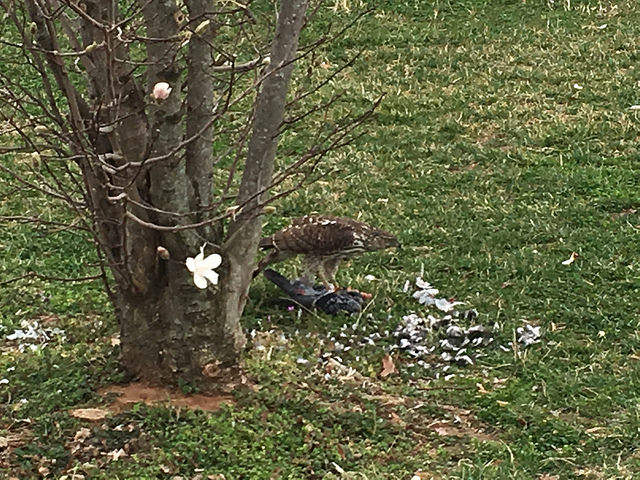
“Sighted on my run on Saturday morning: a red tail hawk perched on a branch, eating a rat for breakfast, at the corner of Euclid and Georgia Ave. Completely unperturbed by passersby. Glad that DC’s reputation as the third rattiest city is benefiting at least some of the local inhabitants!”

hawk-dinner


coywolf-_ForestWander
Photo by http://www.ForestWander.com via Wikipedia

This was a wild thread I’ve been meaning to post from Monday:

Wikipedia says:

“Aside from the combinations of coyotes and eastern wolves making up most of the modern day eastern coyote’s genepools, a study in 2013 by mammalian biologist Dr. Javier Monzón revealed that some of the coyotes in the northeastern USA also have mild domestic dogs (Canis lupus familiaris) and western Great Plains gray wolf (Canis lupus nubilus) influences in their genepool, thus suggesting that the eastern coyote is actually a four-in-one hybrid of coyotes, eastern wolves, western gray wolves, and dogs; and that the hybrids living in areas with higher white-tailed deer density often have higher degrees of wolf genes than those living in urban environments. The addition of domestic dog genes may have played a minor role in facilitating the eastern hybrids’ adaptability to survive in human developed areas.”


View More Stories