Voted one of the best real estate agents in DC by the Washington City Paper Readers’ Choice Poll in 2009, hipchickindc aka the not-so-hip Suzanne Des Marais is an Associate Broker with Urban Pace. She lives (and sells a lot of houses) in Bloomingdale, but works all over DC, with everyone from first time buyers to highly regarded developers. Unless specifically noted, neither she nor the company that she is affiliated with represented any of the parties or were directly involved in the transaction reported below. Unless otherwise noted, the source of information is Metropolitan Regional Information Systems (MRIS), which is the local multiple listing system. Information is deemed reliable but not guaranteed.
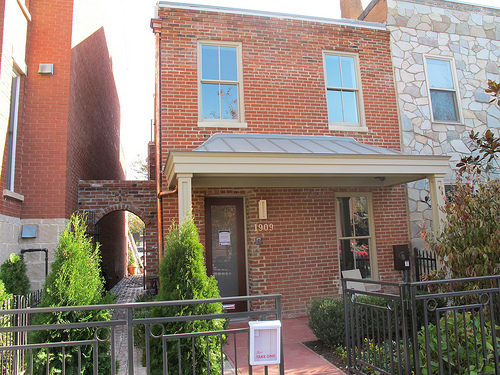
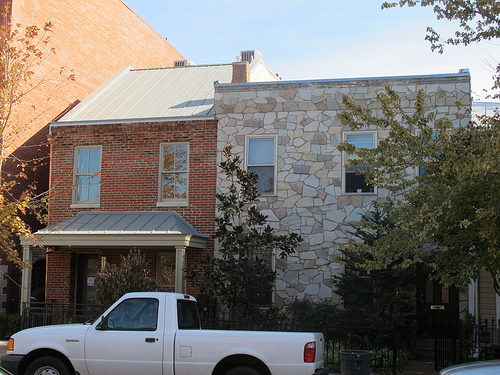
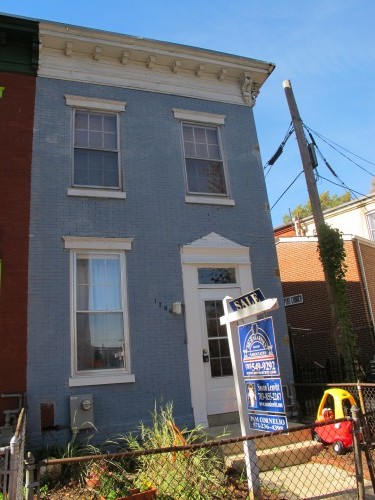
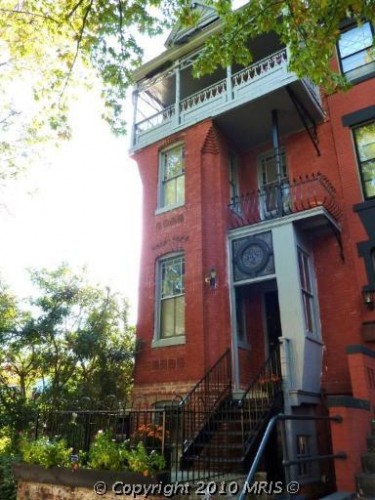
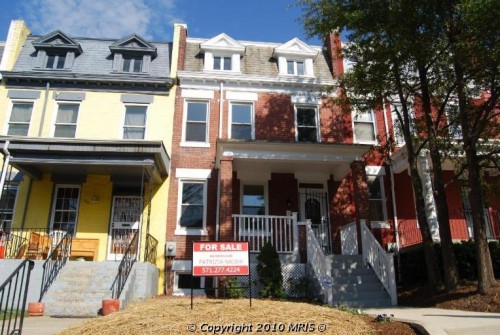
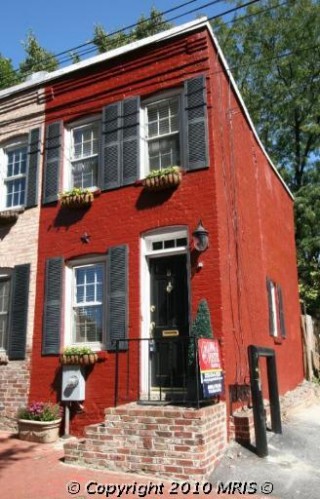
Featured Property: 8 & 9 Snows Ct NW
Legal Subdivision: Foggy Bottom
Advertised Subdivision per Listing: Foggy Bottom
Original List Price: $419,000. & $424,900. respectively
List Price at Contract: $419,000. & $424,900. respectively
List Date: 09/18/2010 & 07/23/2010
Days on Market: 8 & 68
Settled Sales Price: $409,000. & $410,000. respectively
Settlement Date: 10/28/2010 for both
Seller Subsidy: $0. & $11,500.
Bank Owned?: No Short Sale? No
Type Of Financing: FHA & Conventional
Original GDoN is: here for 8 and here for the rental version of 9.
The Listings for both 8 & 9 can be seen: here. To see the pics, after opening the listing link, click on the main pic and scroll through using the arrows.
As some of the oldest neighborhoods in the city, and located close to the popular and practical mode of bringing
goods into the city of Washington, both Foggy Bottom and Georgetown are peppered with teeny houses that
may have once housed nineteenth century laborers. When showing these structures to twenty first century
buyers, I often wonder what some of those early inhabitants would think of the current market for their houses.
Both 8 Snows Court NW and 9 Snows Court NW were on the market simultaneously and just happened to settle
on the exact same day. Although it was suggested in Good Deal of Not (GDoN) comments that it might not
be a bad idea to buy both and make one larger home, I think it’s unlikely that we’re seeing that, only because
the agents on the buying side of each transaction were different. I suppose it’s possible that someone used two
different agents to purchase properties immediately next to each other, but I’m still going with unlikely.
Continues after the jump. (more…)