06/04/13 1:30pm

800px-Liriodendron_tulipifera
Photo via wikipedia by Bruce Marlin

Urban Wilds is written by Lela S. Lela lives in Petworth. She previously wrote about vultures.

For the last few weeks, tulip tree flowers have been falling in the DC area. These gorgeous blossoms – two to three inches long, green and yellow and orange – are the product of one of my favorite plants in this part of the country. Also called tulip poplars, this species is a swift- and straight-growing tree that commonly reaches 100 feet. If left alone, they can become true giants: before they were heavily logged in the 1800s for building materials ranging from ship masts to organ pipes, old-growth tulip trees were recorded at 200 feet tall with diameters of as much as twelve feet. They’ll live up to three centuries under good conditions. Honeybees favor the nectar (which can supposedly be drunk straight from the flower – I intend to try this immediately) and produce a medium-amber honey that’s often used in commercial baking. In Maryland, tulip trees are a primary source of nectar for foraging bees.

Tulip trees can be found in parks and wooded areas around the city, as well as along a number of our streets. Their leaves might be mistaken for a maple’s, but their flowers are unmistakable, especially scattered across a Washington sidewalk. This time of year, the quickest way to find a tulip tree might be to first look down, then up.

04/26/13 2:15pm

ginko_tree_spraying

From DDOT:

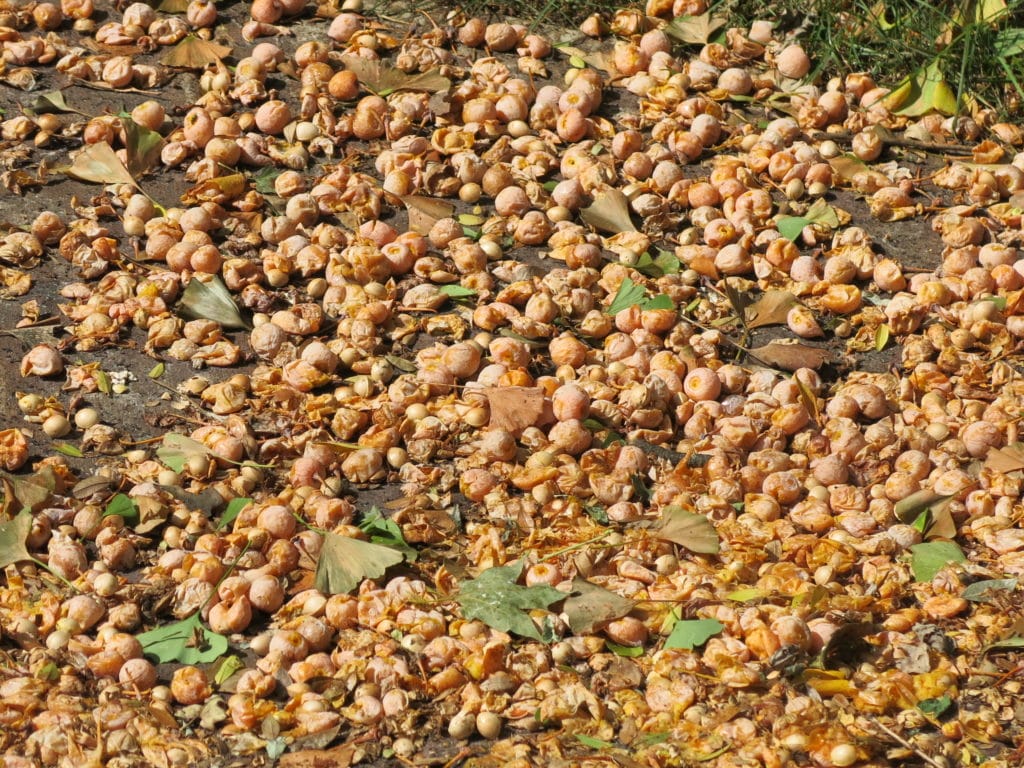
To prevent the notoriously unpleasant odor of female ginkgo fruit from overtaking city streets, the District Department of Transportation’s Urban Forestry Administration (UFA) will start spraying these fruits starting Monday, April 29.

Spraying will begin in Wards 1, 2 and 6, where female ginkgo trees are most prevalent, and continue through Wards 4, 3, 7, 8 and 5. Spraying will occur overnight for several nights and there is no need to move vehicles parked on streets. If you have any questions, please contact UFA at 202-671-5133 or visit ddot.dc.gov/trees for more information

We’ve previously discussed this unpleasantness a couple of years ago. Anyone starting to notice the smell this year?

03/18/13 1:30pm

8569208008_b044643094
1300 block Shepherd Street, NW

Dear PoPville,

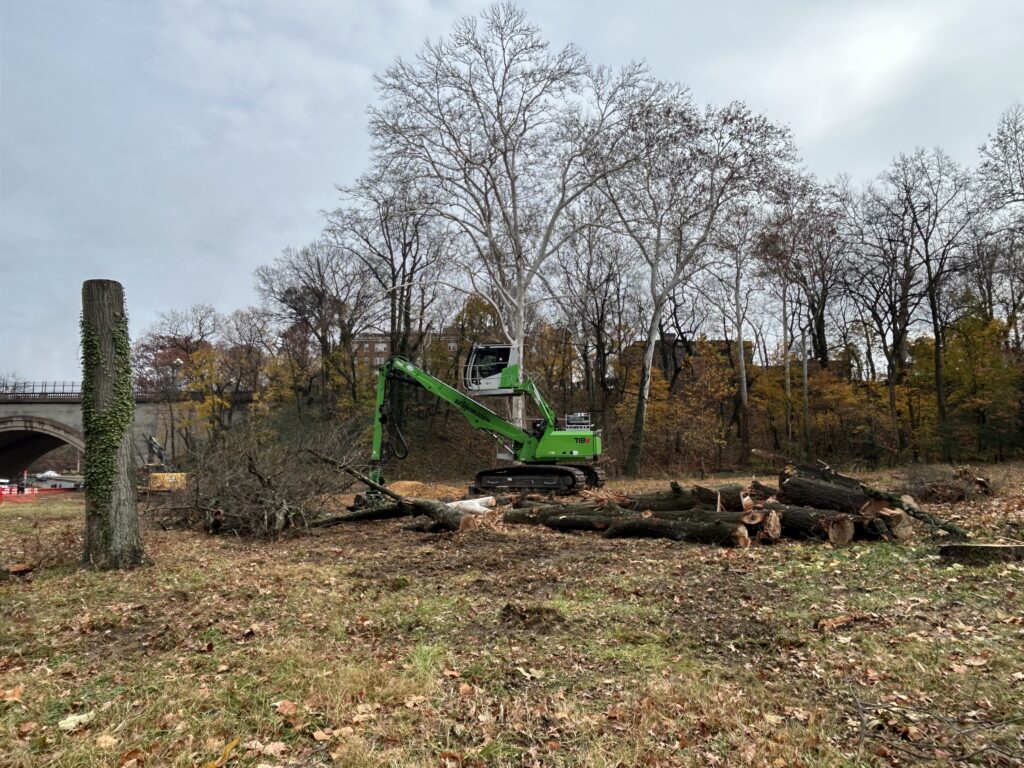
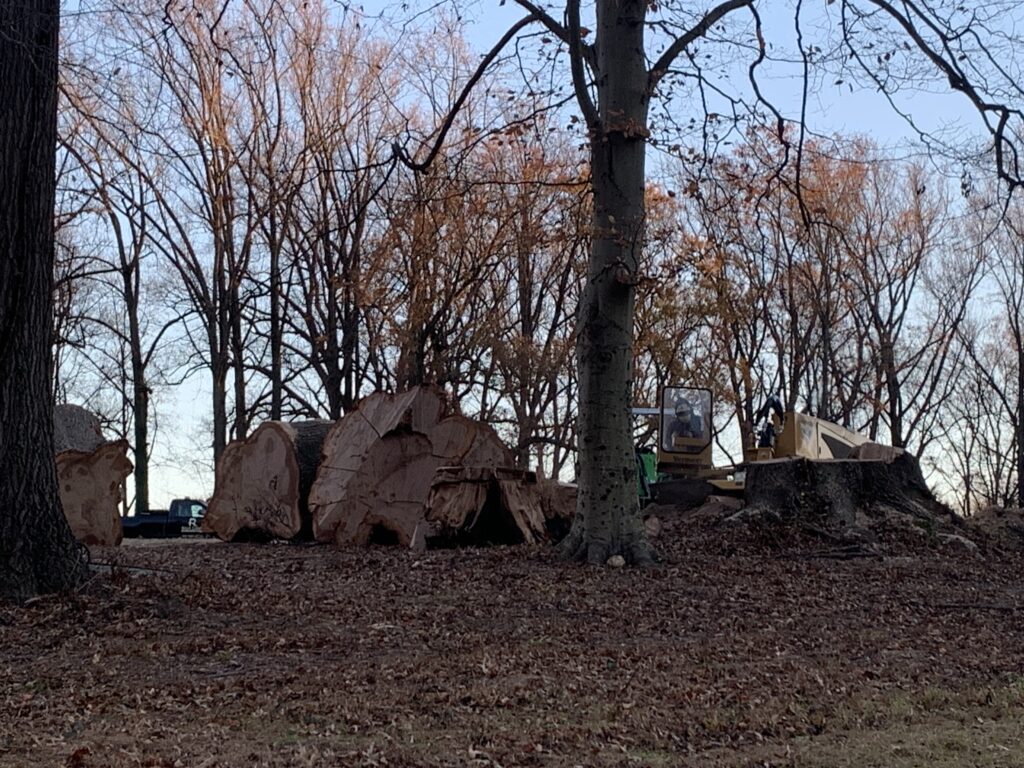
I was dismayed to see three old growth trees come down this week on the 1300 block of Shepherd St, NW. As a resident I’m not at all convinced that these trees were dead, and one (north side) did not cross any visible power lines. I know that Pepco has had to deal with the significant challenge of fallen trees after storms and consequent power interruptions, but this seems like such a poor solution. Our city is already so heavily concrete and these aged trees provide the shade that is so desperately needed by humans and every other form of life. It would be great to get an explanation if there is one, and also a dialogue on new solutions.

Another reader looked into it and found out from:

Three large trees were taken down closer to 13th street on Shepherd. Earl Eustler and Rob Corletta from DDOT met with me early morning on Thursday the 14th as the big trucks rolled up. They were really nice and explained why each tree got taken down. Two trees made total sense, one was not that compelling of an argument, but it was already down so there wasn’t anything really to discuss. They said new ones wouldn’t be planted til next winter. So, we’re trying to get permits to plant our own, but we can’t plant any species that will grow big. They’re only planting small growth trees on powerline sides of the street.

One thing to note though is that the tree service map on DDOT’s website only has “scheduled & routine tree service” indicated on the map. Ours was considered “emergency” so that’s why it wasn’t mapped out. DDOT says they don’t currently put emergency tree service on the maps.

02/01/13 3:15pm

Dear PoPville,

So curious about this tree in front of Matchbox on 14th. All the soil was covered by asphalt — looks like awhile ago and I just never noticed. anyway – how does the tree survive, and why this one?

UPDATE – From a reader:

Earlier today I asked my colleague Joey Perez who works in DDOT’s Urban Forestry Administration about this exact tree box. Below is his terrific explanation of this innovative tree box treatment. Here’s hoping you can share with your readers (they may see more of these around town!) and thank them for their concern for our DC street trees!

It is actually a good thing and it has been a test site with a new material that is on the market called Flexi-pave. This is a permeable surface made out of old rubber tires that is able to withstand heavy foot traffic and tree roots can grow right under it. What you are witnessing is probably its best feature in that it can be poured right up to the trunk of the tree without damaging the tree or compacting the soil. Say what!? You heard me right. So the next time you are in that area, celebrate the awesomeness of Flexi-pave.