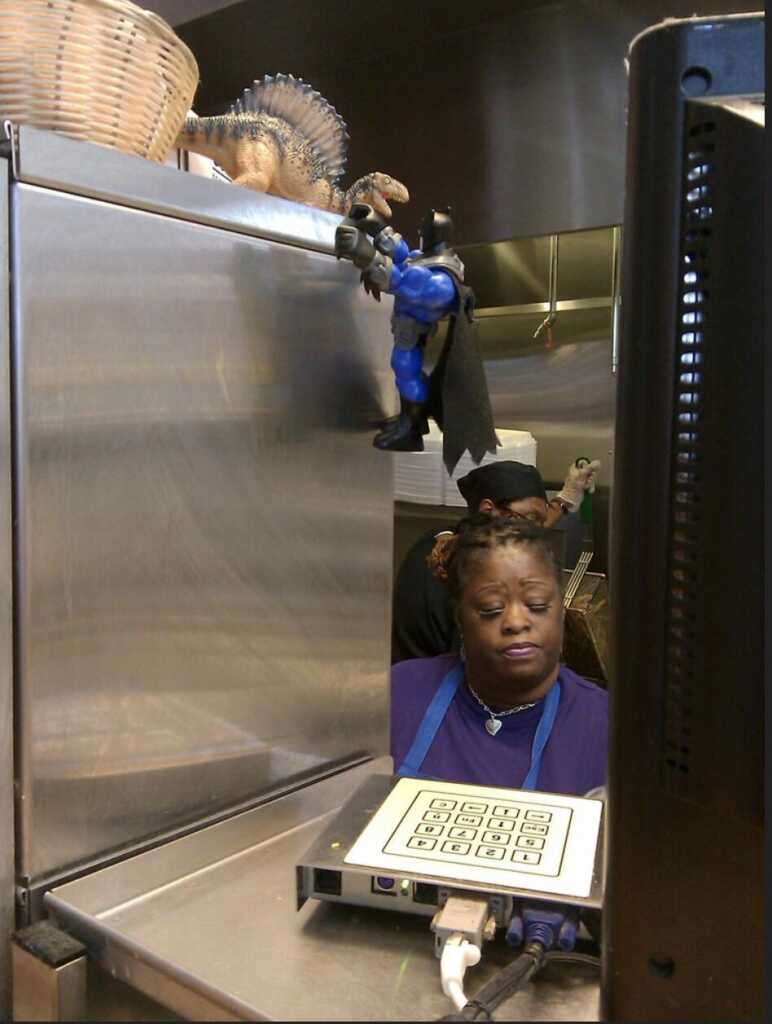
Eastern Market © Pat Padua 2010
DC photographer and blogger Pat Padua tooked this shot at DC’s Eastern Market. Join the LOOKDC photo pool.


Eastern Market © Pat Padua 2010
DC photographer and blogger Pat Padua tooked this shot at DC’s Eastern Market. Join the LOOKDC photo pool.
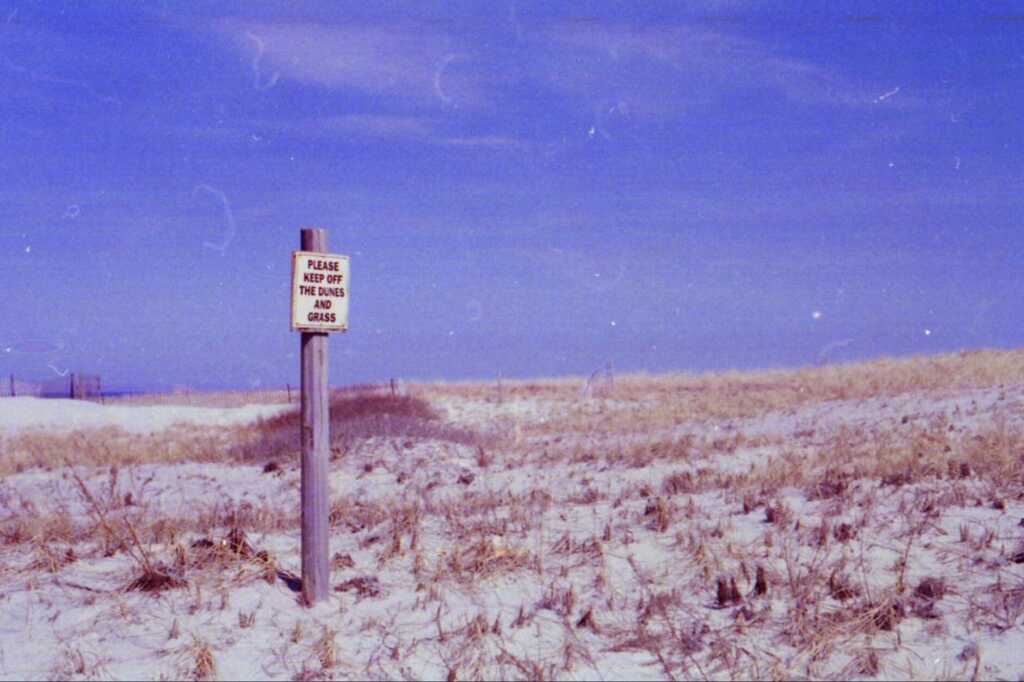
Dunes © Jennifer Wade 2010
This photo was shot on expired Kodak Max 400 film by local DC photographer Jennifer Wade. Join the LOOKDC photo pool.

Ojo Latino is a series by Néstor Sánchez Cordero. Nestor writes, “This week the Ojo Latino went to the Immigration Reform March on Sunday in the National Mall to try to capture the different faces of the Latino community in this country. People came from all over the US to try to push Congress to discuss immigration reform and stop the raids that have separated so many families in the last years. I know the immigration debate is controversial, I hope these faces put a human touch on the issue.” (more…)
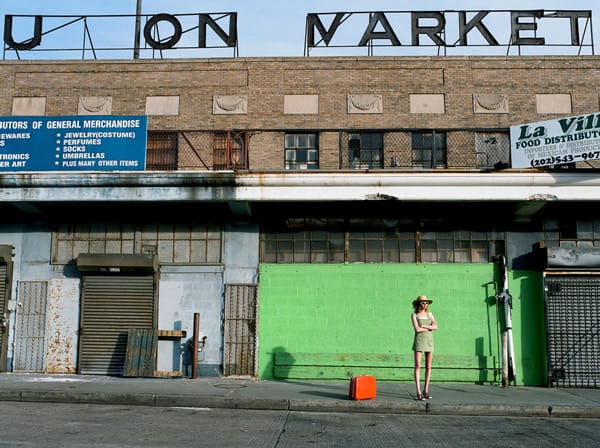
Leslie 12 © Joshua Yospyn 2010
Worn Magazine is DC based print magazine about DC’s fashion, art and style. From Worn Magazine’s mission statement:
Worn Magazine is a DC born publication intended to bring greater awareness of DC fashion and art to the District and the nation. It is our mission to advocate the importance of style and art in the community by producing a printed hardcopy magazine that encourages readers to use both as a means of creativity and self-expression. We believe these mediums have the ability to showcase what people have in common, rather than what divides them. By partnering with local artists and promoting local businesses, we strive to make DC a more style- and art-conscious city with a wider acceptance of various forms of personal creativity.
The photo above, from DC photographer Josh Yospyn, was taken at the Union Market in NE DC.
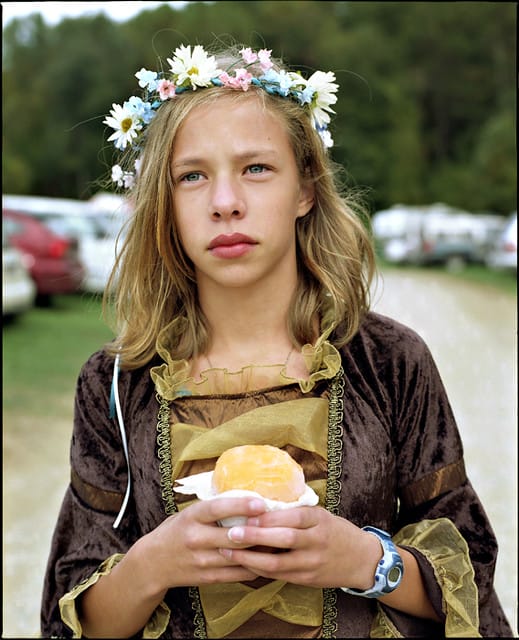
Elizabeth 8 © 2009 Joshua Yospyn
DC Photographer Joshua Yospyn is one of the eight photographers exhibiting at Glen Echo Park’s Photoworks Second Annual group exhibition of documentary photography curated by author, photographer and teacher Frank Van Riper. Be sure to check out the photographers’ websites: Sean Bowie, Timothy Hyde, Praveen Mantena, Mark Silva, Sonia Suter, Frank Turner, Joshua Yospyn, and Jonathan Zuck. The show opens with a reception, 6 to 9 pm this Friday, March 19, and runs through Sunday, April 18, 2010. The photo below is from Yospyn’s film and polaroid series shot at the 2009 Maryland Renaissance Festival.
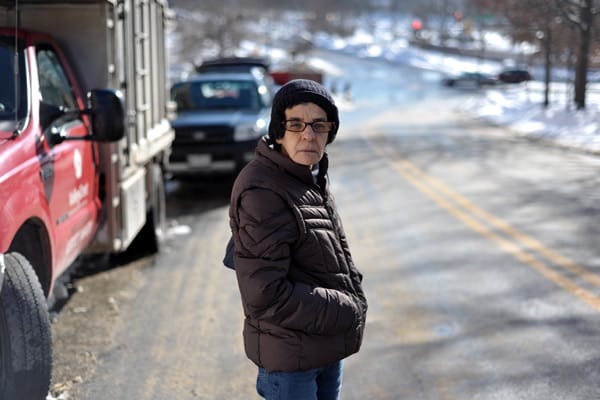
Zilda © 2010 Frank Turner
DC Photographer Frank Turner is one of the eight photographers exhibiting at Glen Echo Park’s Photoworks Second Annual group exhibition of documentary photography curated by author, photographer and teacher Frank Van Riper. Be sure to check out the photographers’ websites: Sean Bowie, Timothy Hyde, Praveen Mantena, Mark Silva, Sonia Suter, Frank Turner, Joshua Yospyn, and Jonathan Zuck. The show opens with a reception, 6 to 9 pm this Friday, March 19, and runs through Sunday, April 18, 2010. The photo below is from Frank Turner’s series Z. (Some images in the Z series NSFW)
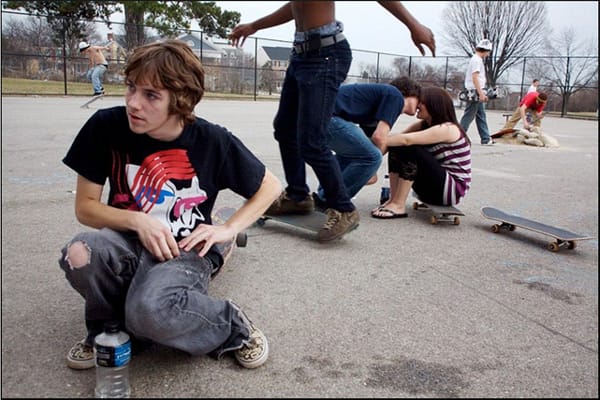
© 2009 Sean M. Bowie
Eight local photographers are exhibiting at Glen Echo Park’s Photoworks Second Annual group exhibition of documentary photography curated by author, photographer and teacher Frank Van Riper. Be sure to check out the photographers’ websites: Sean Bowie, Timothy Hyde, Praveen Mantena, Mark Silva, Sonia Suter, Frank Turner, Joshua Yospyn, and Jonathan Zuck. The show opens with a reception, 6 to 9 pm on Friday, March 19, and runs through Sunday, April 18, 2010. Sean M. Bowie’s photo is from a series on Baltimore Skate Parks.
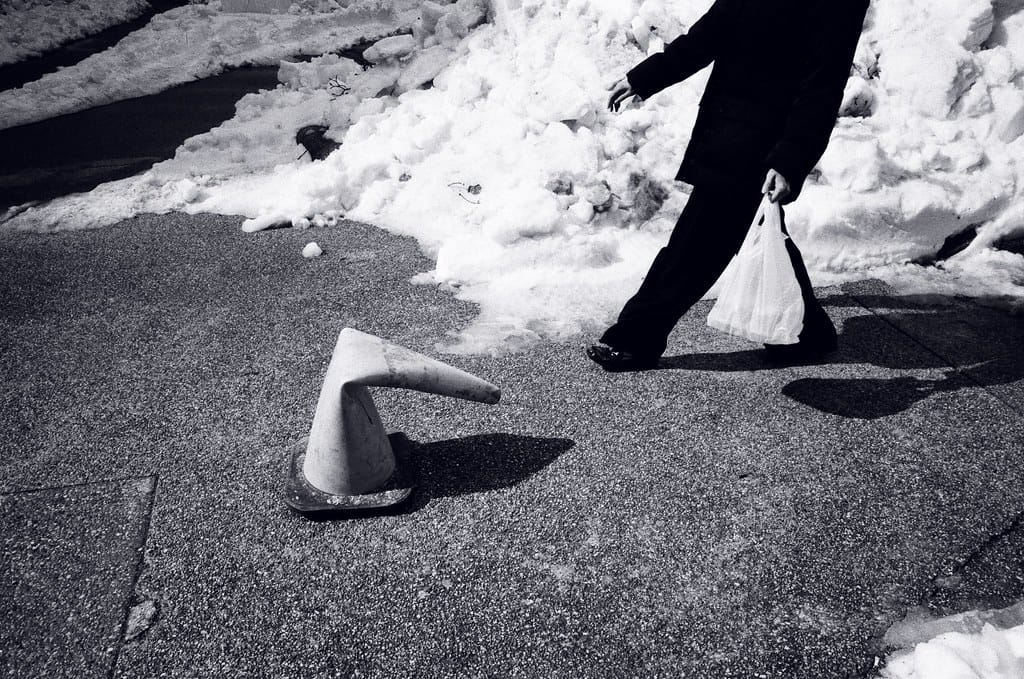
Photographer Mike Hicks shot this with a Leica using black and white film.
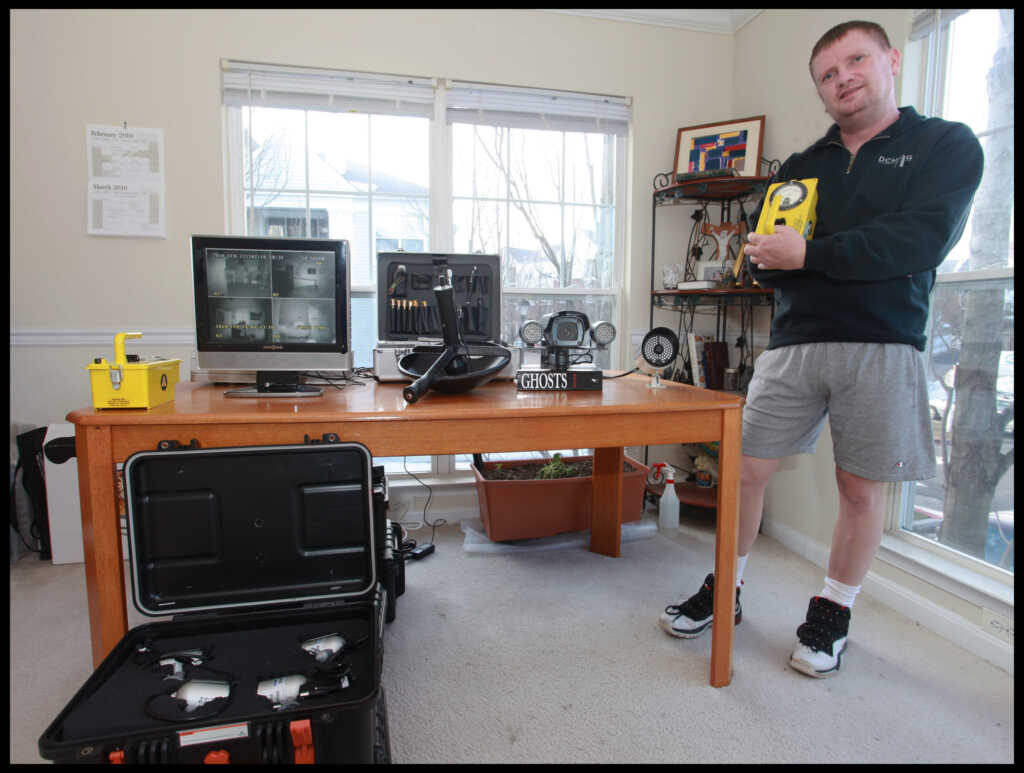
Danny Harris is a DC-based photographer, DJ, and collector of stories. In September, he launched People’s District, a blog that tells a people’s history of DC by sharing the stories and images of its residents. Every day, People’s District presents a different Washingtonian sharing his or her insights on everything from Go Go music to homelessness to fashion to politics.
“I grew up in Lansdowne, Maryland, in a house that I believe to be haunted. I was about 11 when my parents and I started noticing a lot of activity there. The cat would attack things that weren’t there. We heard hammering noises in the basement. I would go to the top of the basement stairs and it would stop. As soon as I left, it would start up again. The one that really pushed me over the edge was hearing a large crashing noise coming from the basement that sounded like broken glass. I went downstairs and there was nothing there. That pretty much convinced me that the house was haunted. I asked my neighbors about the former tenants of our house. One was a carpenter who died, which is probably where that hammering sound come from. That was my first investigation.
“I then joined the military and did 20 years of service. I got out at age 38 and was not ready to retire. The experiences from my childhood really stayed with me, and I contacted the head of the D.C. Metro Area Ghost Watchers (DCMAG), Al Tyas, about joining the team. He was retiring and ended up giving me the team in 2006 after we did a few investigations together. The D.C. area in particular has a lot of folklore and history around hauntings. Some people believe that Abraham Lincoln haunts the White House. There is also supposedly a demon cat near Congress that predicts doom. Since joining DCMAG, I’ve had some pretty intense investigations. Getting my hair pulled by a ghost was my first physical encounter with a spirit. You just don’t believe that it is happening, but, after a while, you get used to it. Each spirit has something that he or she can do particularly well. Some can pull hair, some can talk, and some can make footsteps. I even played hide-and-go-seek with the ghost of a child once.
Continues after the jump. (more…)
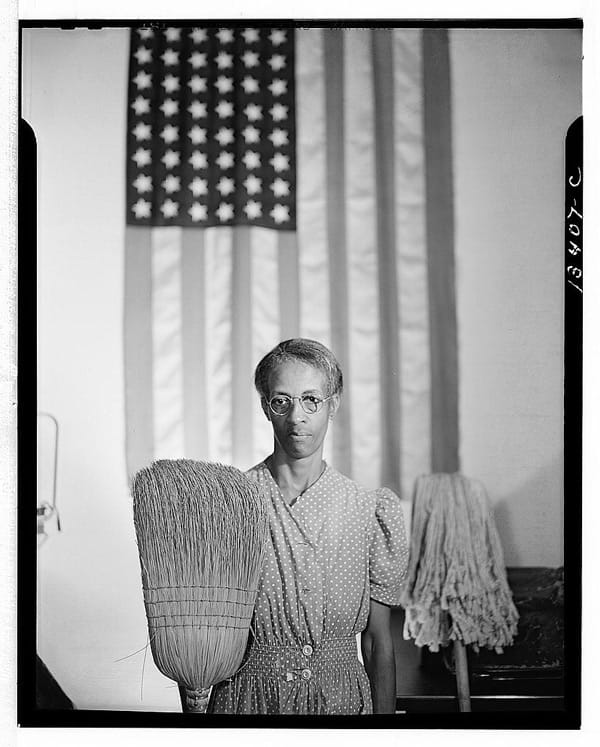
Yesterday’s LOOK photo has been deemed too controversial for this blog and was removed yesterday afternoon. Be sure to check out the complete award winning photo essay about autisim by photographer Gihan Tubbeh. Last week, a photograph of two men kissing caused some people to cancel their WAPO newspaper subscriptions.
Photographer Gordon Parks took this photograph titled “American Gothic” in 1942 while working for the Farm Security Administration in DC. His editor, Roy Stryker, said that the photo was “an indictment of America” and would get all the FSA photographers fired. Read the March 2006 obit from NYT photography critic Andy Grundberg. Excerpt below.
Perhaps his best-known photograph, which he titled “American Gothic,” was taken during his brief time with the agency; it shows a black cleaning woman named Ella Watson standing stiffly in front of an American flag, a mop in one hand and a broom in the other. Mr. Parks wanted the picture to speak to the existence of racial bigotry and inequality in the nation’s capital. He was in an angry mood when he asked the woman to pose, having earlier been refused service at a clothing store, a movie theater and a restaurant.
…
Mr. Parks credited his first awareness of the power of the photographic image to the pictures taken by his predecessors at the Farm Security Administration, including Jack Delano, Dorothea Lange, Arthur Rothstein and Ben Shahn. He first saw their photographs of migrant workers in a magazine he picked up while working as a waiter in a railroad car. “I saw that the camera could be a weapon against poverty, against racism, against all sorts of social wrongs,” he told an interviewer in 1999. “I knew at that point I had to have a camera.”