
This guy was great. He seemed to know everyone. And everyone referred to him as the preacher. Awesome mural too, yeah?


This guy was great. He seemed to know everyone. And everyone referred to him as the preacher. Awesome mural too, yeah?
So I took the Bolt Bus from NYC to DC today. It was pretty awesome. Tickets day of only cost $20. And there was wifi (although it was a little spotty at times). But my question is why would the driver take the Baltimore-Washington Parkway back to DC instead of 495? We hit killer traffic on the BWP. I feel like 66 there is always crazy traffic on the BWP. So when traveling from north to south would you take 495 or the BWP?
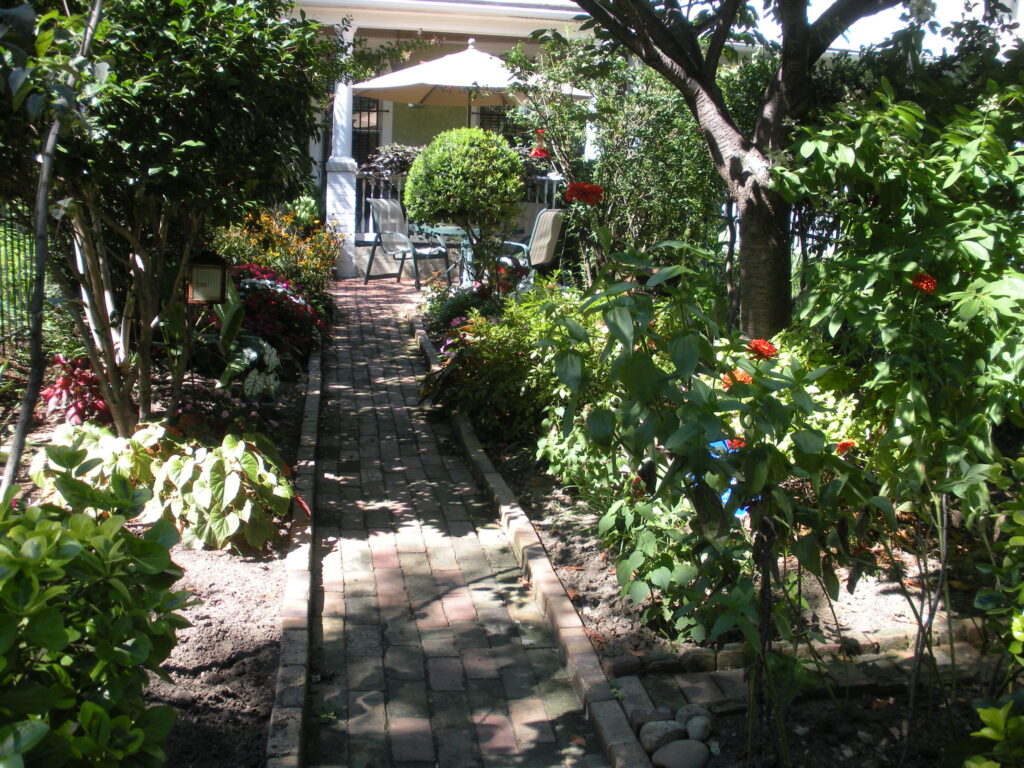
A nice job with an extended front yard in front of a rowhouse.

At long last the mystery is solved. Park View and Pleasant Plains are part of greater Columbia Heights. At least that’s what the sign says. Right?
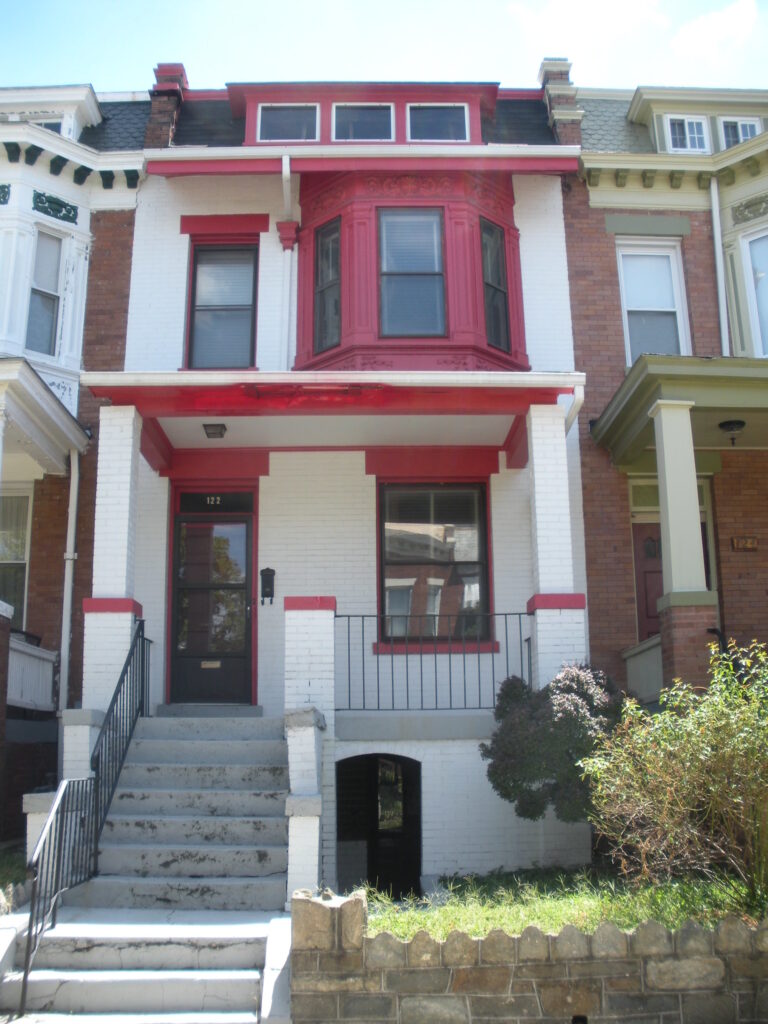
I was struck by the red. But I really dig that bay window.
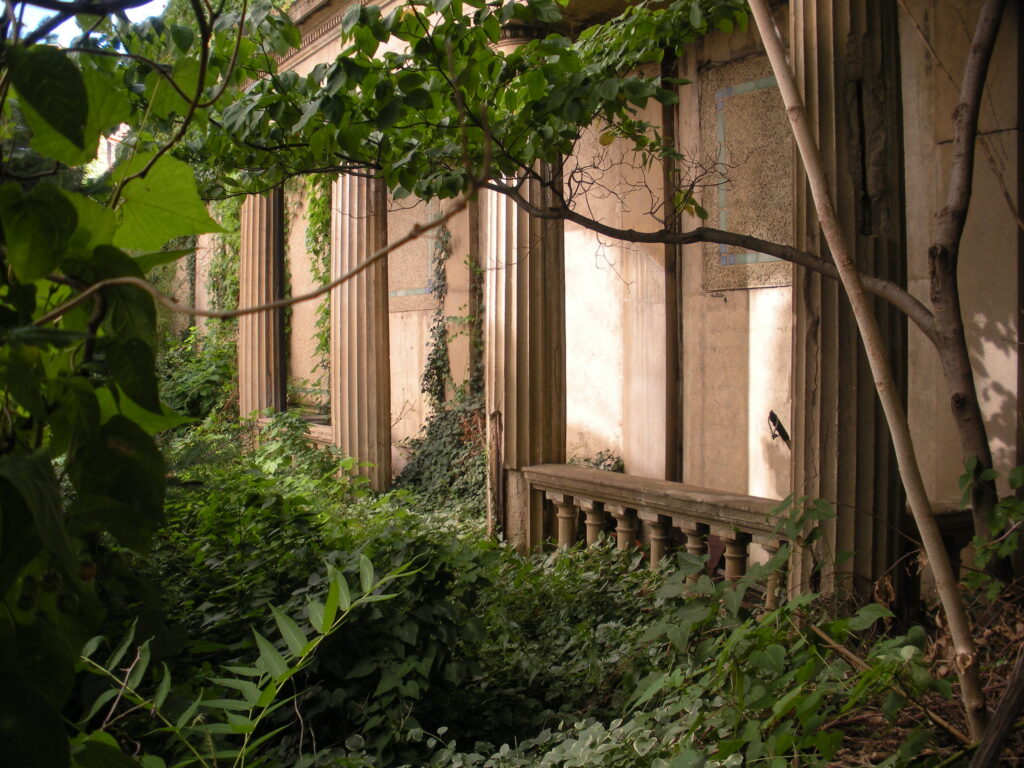
This yard blew me away. The columns are just the bomb. It is so odd because out front it just looks like a regular rowhouse. Good stuff.

“I thought I would share a photo of my Golden Retriever, Rusty, who is easily the coolest dog in 20011.”
Entries 23 and 24 after the jump. (more…)
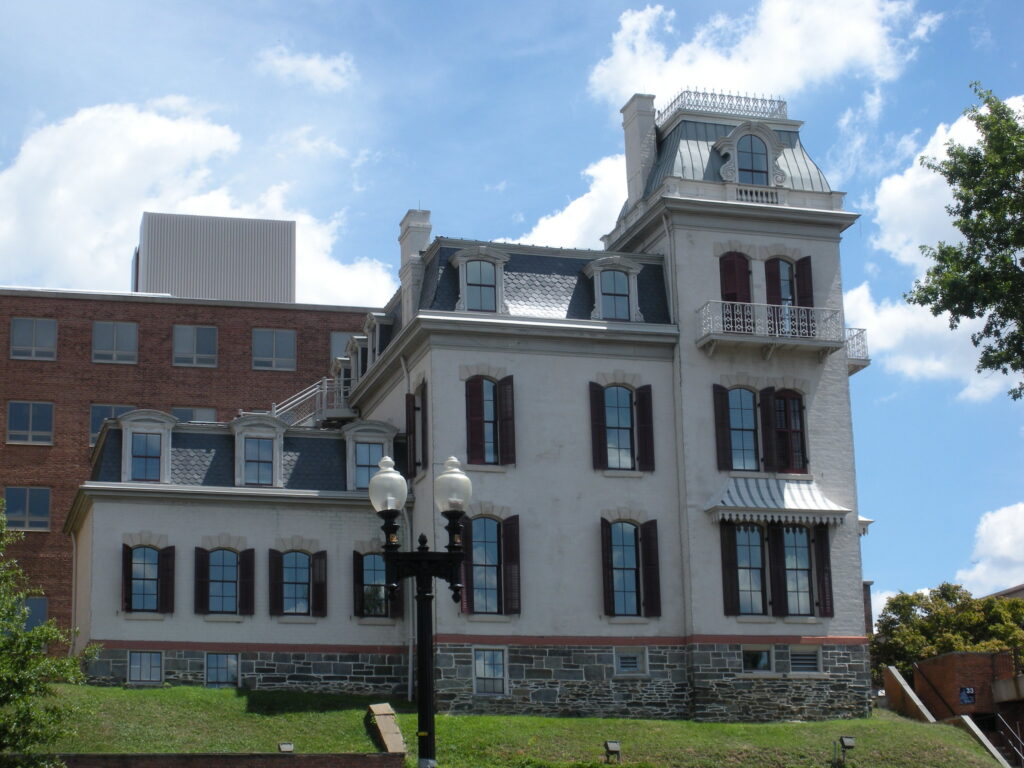
This phenomenal building is located on Georgia Ave on Howard University’s campus. What is that style called, Victorian? Anyone know the history of it? Do you like the style?

These are both fantastic. I wonder if students painted them?


It is my pleasure to introduce John who, with his wife Anna, will be contributing a weekly post on various aspects of Adams Morgan. His first piece is on the Ontario Building (located at 2853 Ontario Road, NW) one of his favorite buildings.
The Ontario is one of the most striking apartment buildings in Adams Morgan. Tucked away on Ontario Road NW between Columbia Road and Adams Mill Road, this gorgeous “Beaux Arts” gem can easily go unnoticed in its quiet, residential setting.
The Ontario is over one hundred years old (completed in 1906.) At that time the neighborhood was known as “Lanier Heights” (according to some sources it still is, although people rarely refer to it as such), and due to its relatively high elevation boasted “pure air and freedom from malaria!”
The building has two lobbies, each lined with brass mailboxes. The halls have terrazo floors. A spacious, airy dining room operated for some years in the basement room, which is now used for membership meetings. The basement also includes a social room with an antique pool table and a number of small rooms designed as sleeping quarters for maids (now used for storage.)
The building was a rental property until 1953 when it became a cooperative. It survived the deterioration and dramatic revival of the neighborhood, as well as various internal disputes. In the 1960s, for example, the Ontario found itself at the center of a civil-rights dispute when the co-op Board declined an African-American applicant. A federal lawsuit was launched in response to this discrimination and after six months prosecutors and the cooperative reached an agreement. The applicant was eventually admitted to the cooperative where she lived until well into the 1980s.
The Ontario now welcomes residents without regard to their color, race, religion, sexual orientation, or national origin. Post continues after the jump. (more…)