This weekly column is written and sponsored by D.C. real estate agent and Edgewood resident Jessica Evans. Email her questions at [email protected].
One of the top questions asked by buyers who are considering a condo purchase is, “What is the condo fee?” Often followed by, “Why is it so high?” The monthly fee is an important consideration as it can range from $150-$1,000+ per month in our area and there are a few factors that play a large role. Here are a few frequently asked questions and answers on this subject:
What are condo fees?
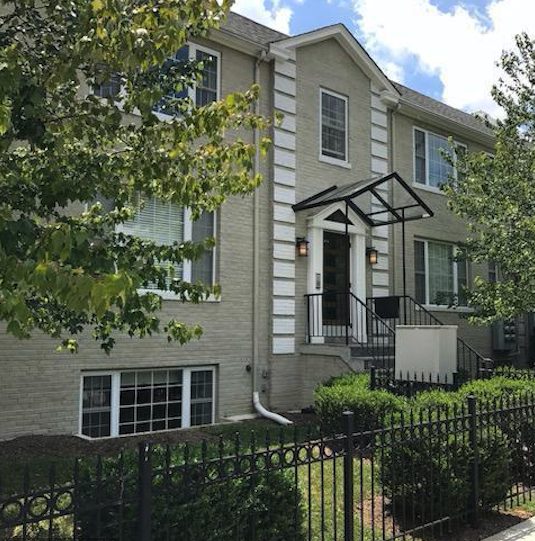
In a condo building, condo units are individually owned and maintained by their owners. The property (which may be one building, or a series of buildings) also includes parts that are not individually owned, that are controlled by the condo association. This typically includes the grounds, roof, elevator and any other limited or general common elements not owned by an individual owner.
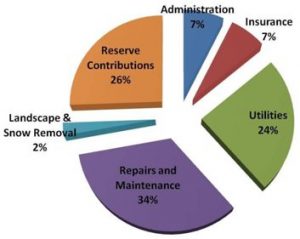 What do condo fees pay for?
Condo fees are paid by unit owners to cover the costs of management, operation and maintenance of the property. Operating expenses include the day-to-day operations of a condo building such as administration (sometimes in the form of property management), utilities, trash removal or landscaping.
Reserve funds are allocated for future anticipated building maintenance such as a new roof or elevator. Each component of a building has an anticipated useful life expectancy with regular maintenance costs and an eventual replacement date and cost.
Condo fees are the primary revenue generation activity of a condo association, and if there are unexpected expenses, an association may need to levy a special assessment.
 Why do some buildings have high fees? Is it because they have amenities like a pool and gym?
There are many reasons why a condo building may have higher than average condo fees. It is true that building amenities like a pool, gym increase the operating expenses of the building and have maintenance costs. These features can also add value for owners and increase the market value of units in the building potentially offsetting any added cost. (more…)