

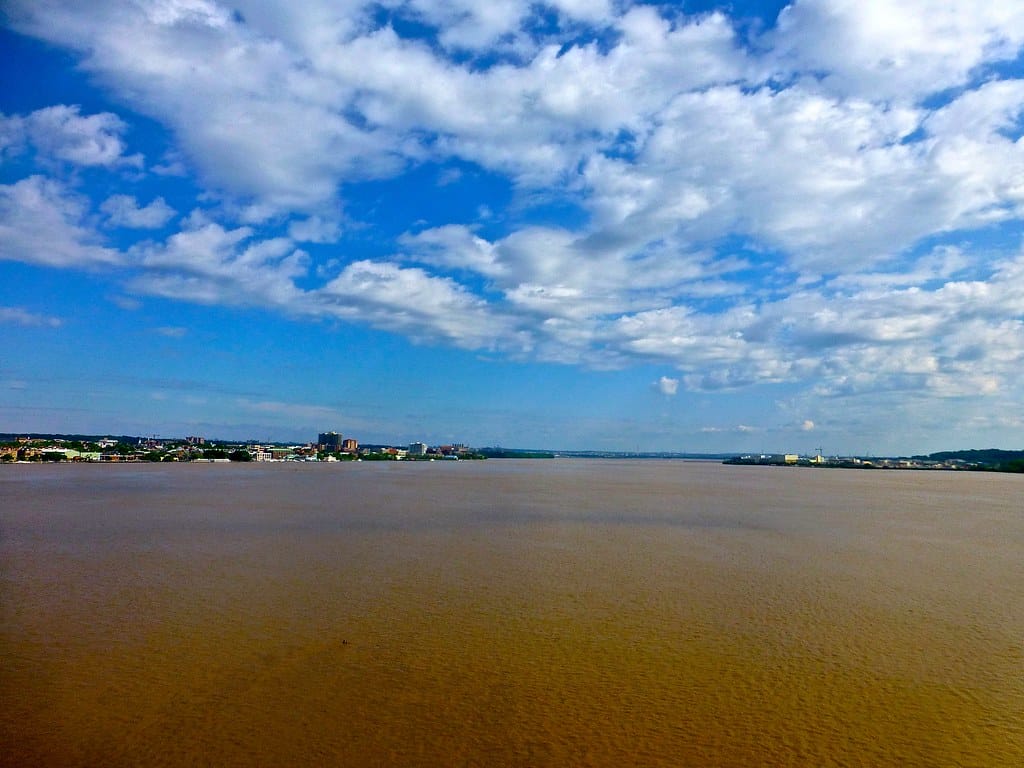
photo by wolfpackWX
From the Potomac Conservancy:
“Potomac Conservancy urges caution following the US Environmental Protection Agency’s May 6, 2026 pronouncement that the agency has “fully achieved” its Potomac River recovery goals following the Potomac Interceptor collapse and mass sewage spill.
Waving a ‘mission accomplished’ banner is not only premature, it sends the wrong signal to the public that the Potomac is in the clear when the cleanup phase is still ongoing. We are encouraged by the positive trends in the water quality data testing, but we have an obligation to our river and our communities to ensure a complete restoration effort.
Nearly four months after the January 19 sewage spill,
DC Water crews continue to remove contaminated soil and debris from the C&O Canal, recreation bans remain in effect in the immediate vicinity, and long-term restoration work hasn’t been finalized, let alone started.
Furthermore, significant unknowns remain, including pending sediment testing results from the State of Maryland which are due to be released soon; two ongoing investigations by DC Water and its Board; and unanswered questions about the long-term ecological impacts and restoration needs. We still do not know the extent of the waste contamination that settled into river sediment downstream, what pollution could get churned up during storms, or what ecological impacts may emerge in the coming weeks and months. Those answers matter for public health, river restoration, and rebuilding confidence in the safety of our waterways.
The EPA’s emergency response and assistance were essential during this incident, the largest undiluted sewage spill in the United States’ history. But declaring victory while cleanup and investigations are still underway risks undermining public trust and weakening the sustained response this river still needs. We’re not at the finish line. Not even close. Potomac Conservancy is calling on the EPA and federal partners to remain actively engaged until spill cleanup is fully complete, investigations are finalized, and a transparent, science-based restoration plan is in place.
Potomac Conservancy is leading CLEAR Potomac, a coalition of more than a dozen environmental, public health, and outdoor recreation organizations fighting to protect the long-term health of the Potomac River and restoring public trust in water safety.”
From DC Water:
“DC Water has outlined its next steps to complete the environmental cleanup and its plan for continued water quality monitoring this summer, as part of the ongoing response to January’s failure in the Potomac Interceptor sewer pipeline. The plan, submitted to the Maryland Department of the Environment (MDE), is supported by extensive data from hundreds of samples that indicate bacteria levels since at least mid-March have been back to normal.
Under the proposal, further confirmation of water quality testing will continue daily through July 5 at the ten existing sampling sites and then transition to weekly testing through September 10. While there is no technical basis to continue the monitoring, DC Water will do so during the remaining summer months to reinforce for the public that river bacteria levels are back to normal.
In addition, the first phase of comprehensive environmental restoration efforts is expected to be substantially completed by late summer 2026. The ongoing work is focused on removing the remaining affected soil in the C & O Canal which was successfully used as a bypass for up to two billion gallons of wastewater during the repair period.
“We understand just how important transparency is for our customers and the community, and ensuring our decisions are guided by science,” said Matthew T. Brown, Chief Operating Officer at DC Water. “After analyzing hundreds of our own samples along with extensive sampling by others, it is clear that Potomac River water quality is back to how it was before the incident.”
To supplement the daily water quality sampling at ten sites, the team conducted intensive weekend sampling at high public use areas, ensuring coverage of key recreational sites. The results all confirm bacteria levels consistently within the typical range for recreational use with normal historical fluctuations driven by rainfall, temperature, stormwater runoff, and other factors.
A nutrient load analysis conducted by the Virginia Department of Environmental Quality determined that the nutrient load resulting from the overflow accounted for less than 0.5% of the annual nutrient input to the Potomac River. Additionally, the Interstate Commission on the Potomac River Basin (ICPRB) reported the affected flow – given the Potomac’s natural flushing capacity – has long since passed and is no longer present in the river, reinforcing the overall findings that conditions have returned to normal.
In coordination with the U.S. Army Corps of Engineers, the Environmental Protection Agency, and the National Park Service, the initial clean-up and reseeding have been completed in the areas directly impacted by the overflow, along the drainage channel, culvert, and tributary to the river.
The second phase of restoration is expected to be completed in the fall. This includes a comprehensive plan to replant native herbaceous species, shrubs, and trees, regrading temporarily impacted wetlands, and restoration of natural hydrology. Crews will also repair the C & O Canal’s clay liner, add topsoil for the base and sides, and restore structural features.
The public is encouraged to provide feedback on the plan during a community meeting hosted by MDE on May 18, at 7 p.m. at the Glen Echo Town Hall. DC Water representatives will be available to answer questions and provide additional details about the extensive river sampling results, the ongoing restoration activities, and the plan to complete the restoration of affected areas. Register here to attend.
For details on the remediation and restoration efforts, view the Potomac Interceptor Emergency Repair and Rehabilitation Plan.
As site conditions continue to improve and environmental restoration nears completion, DC Water will conclude routine public update communications. Up-to-date water quality sampling results will continue to be available on our dedicated webpage for the Potomac Interceptor Response and updates will continue to be provided to the public regarding major project milestones and important developments.”