

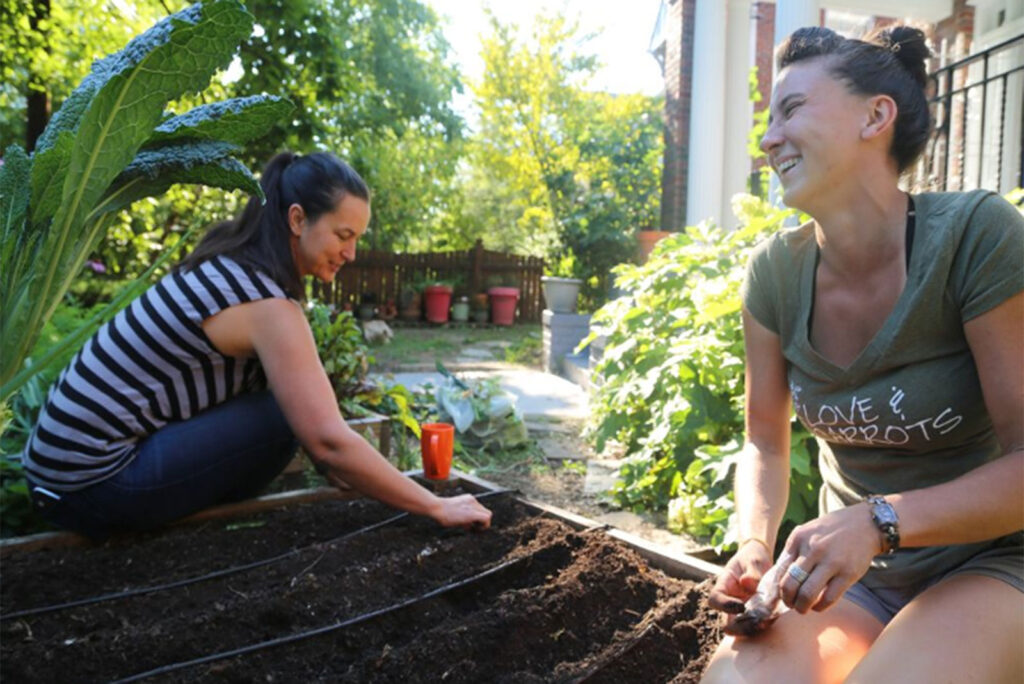
Love & Carrots is a local edible landscaping and vegetable gardening company that started in 2011 with one woman, a pickup truck — and a mission to nourish both people and places.
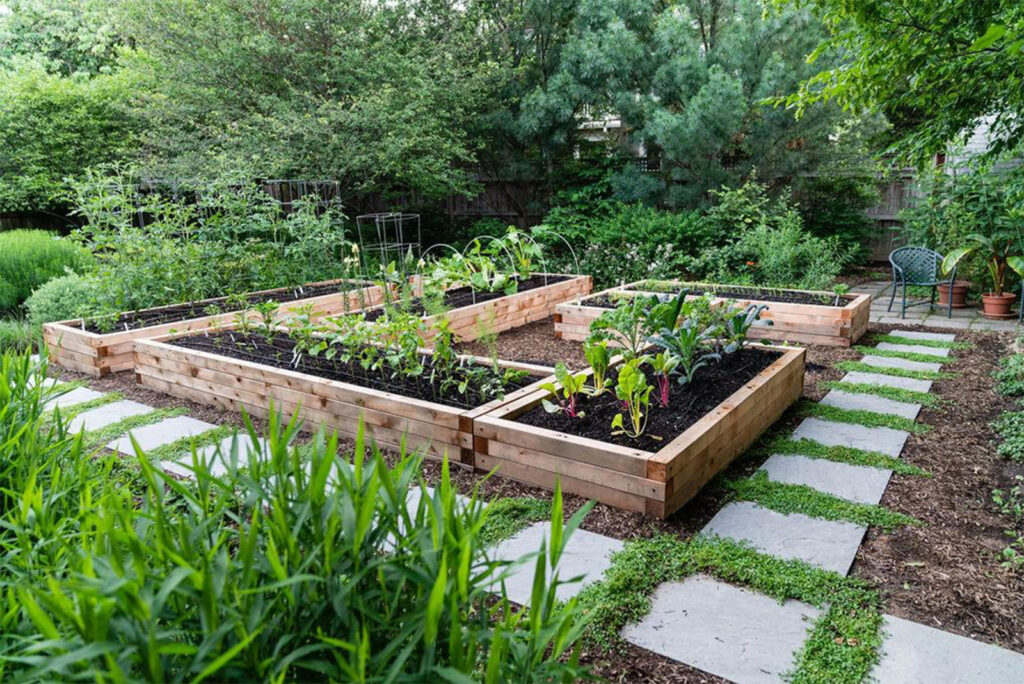
Today, our team has installed thousands of raised bed gardens and perennial landscapes across the D.C., Maryland and Northern Virginia area for families, communities, and businesses who are joining us in the effort to make urban environments more conducive to healthy living.
Over the years, we’ve amassed some tips and tricks for growing food in small spaces. Read on for some of our tried-and-true advice!

Choose crops that give continual harvest
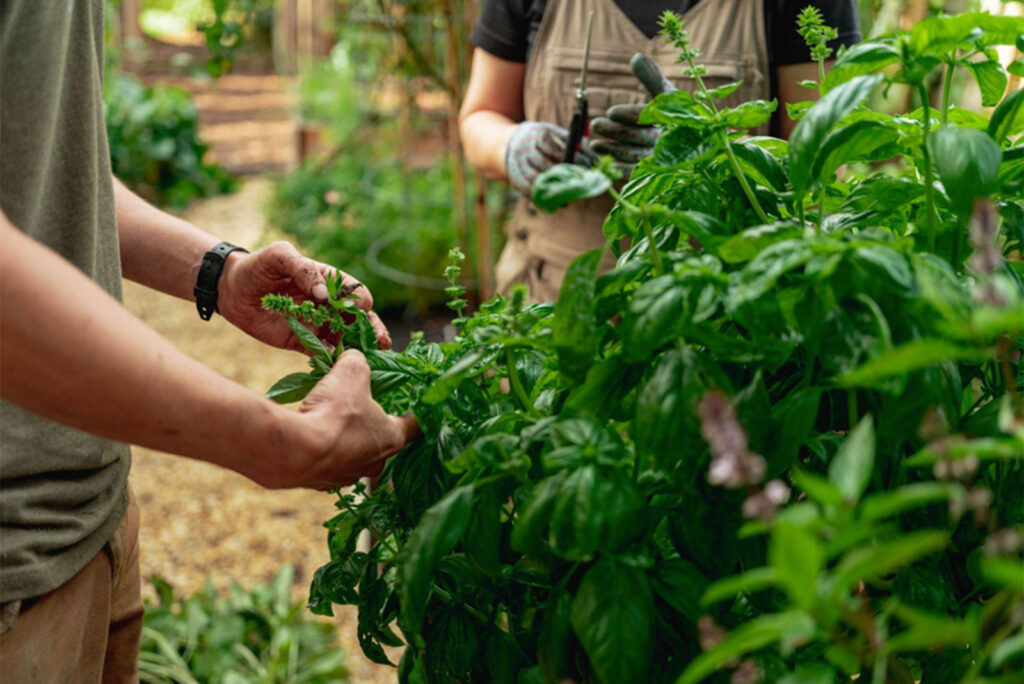
- Conserve your limited growing space by choosing crops that can offer a continual harvest, like shishito and lunchbox peppers, cherry tomatoes, basil, lettuces, and cucumbers.
- One carrot seed will take over 70 days to fully mature, and result in the harvest of only a single carrot!
Grow herbs and peppers in pots to save on bed space
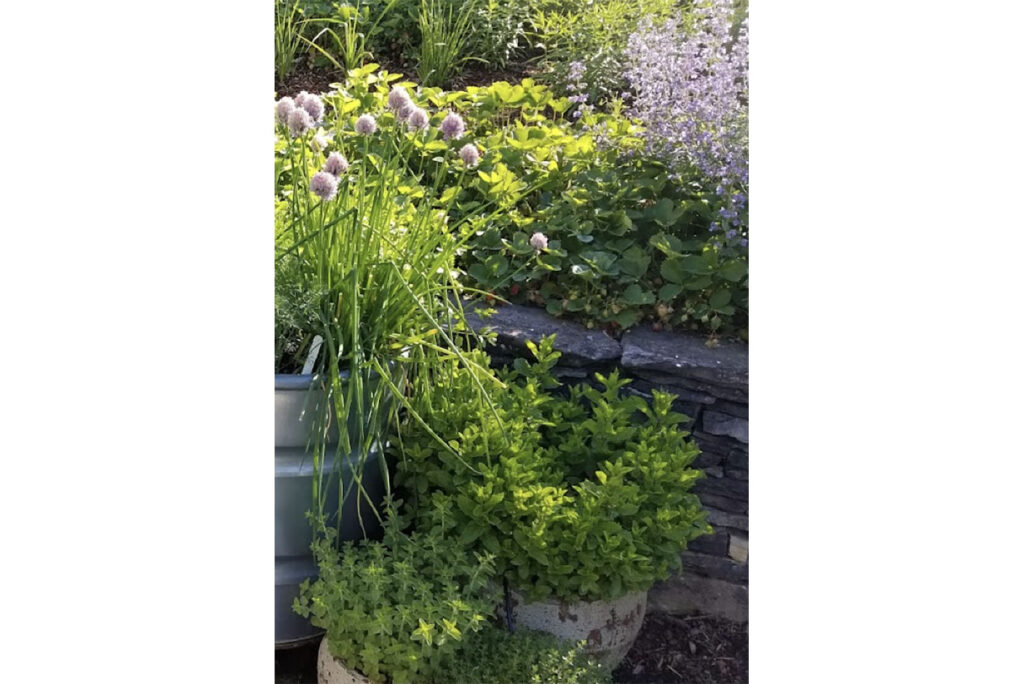
- Mint, strawberries, sage, rosemary, oregano, thyme and chives are perennial plants and need less water than do most annual garden crops. They are also less picky about soil quality and they can quickly spread and take over larger areas of the garden, making it ideal to keep them contained in pots. Perennial herbs that don’t spread aggressively can be planted right in the landscape (mint and lemon balm are aggressive spreaders).
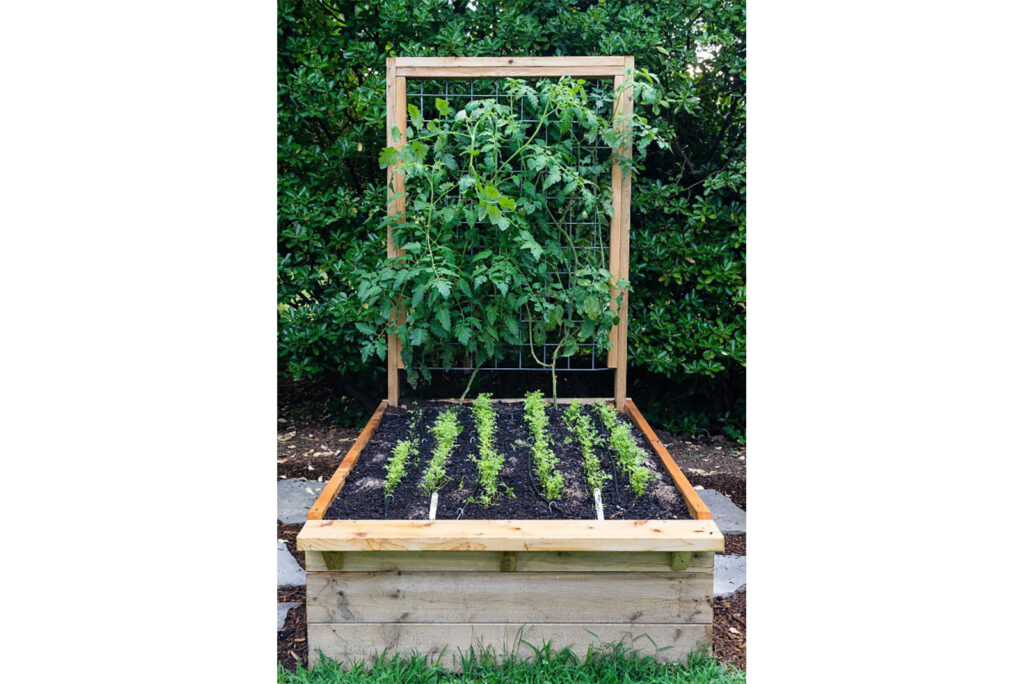
Use trellises to grow vertically
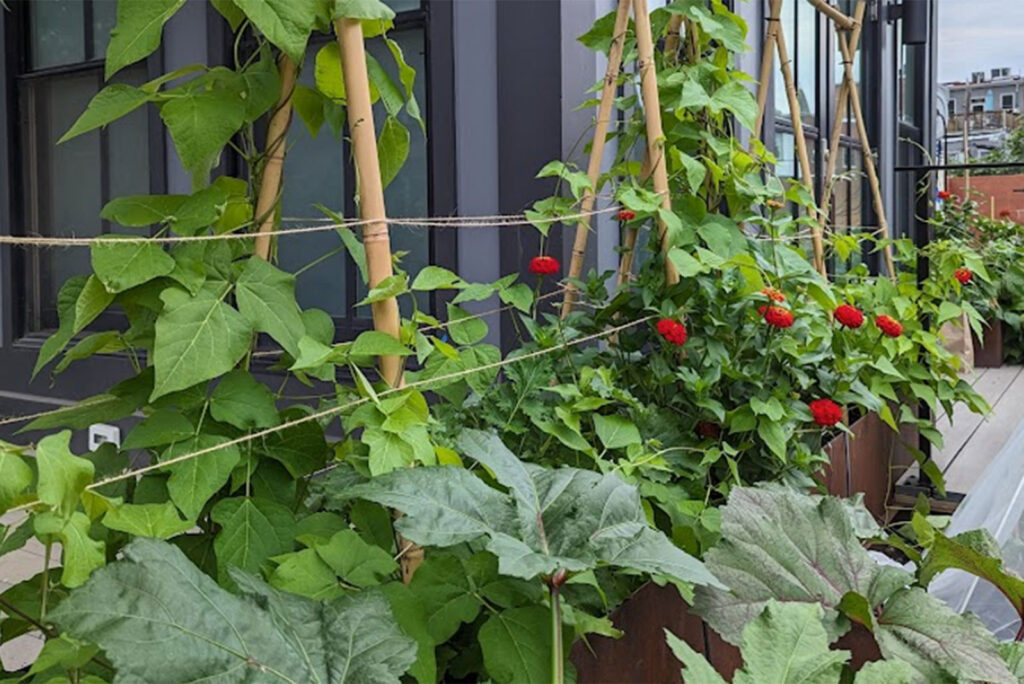
- Peas, cucumbers, beans, and some varieties of squash can be grown on a trellis. This maximizes space in a small garden by allowing these vining crops to make full use of the available sunlight without shading out other crops below.
- Squash varieties like tromboncino or butternut will climb up onto a trellis, while zucchini will not.
Interested in learning more about how you can grow vegetables in your own backyard?
Reach out to us today to schedule a consultation and learn more about our design, installation, and garden maintenance services.
