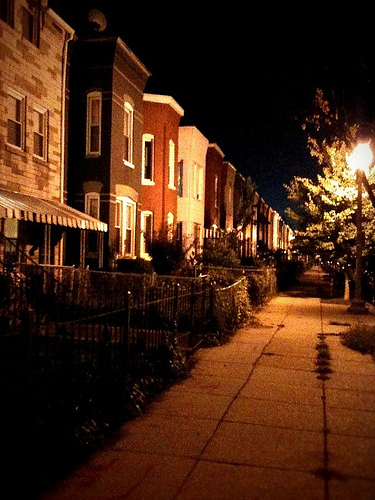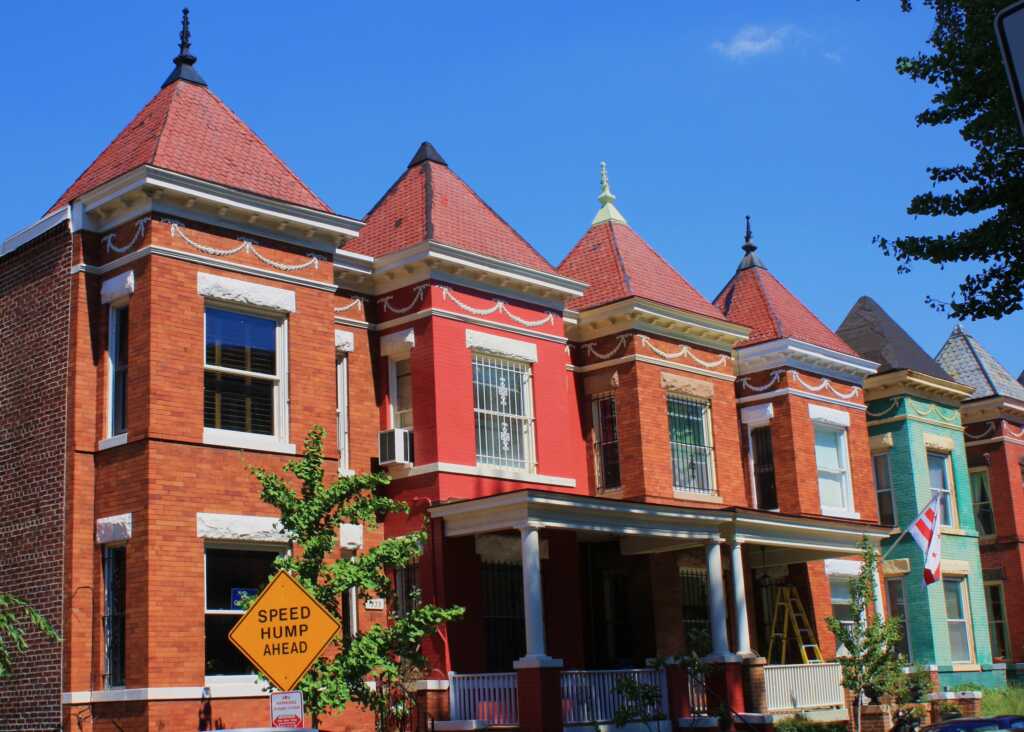
Photo by PoPville flickr user Mr. T in DC
Griffin & Murphy, LLP, is a boutique law firm in Washington, D.C. concentrating its practice in real estate law (including development, finance, leasing, zoning and condominium conversions), as well as estate planning and probate, civil litigation, and business law. The attorneys of Griffin & Murphy, LLP are licensed to practice law in the District of Columbia, Maryland and Virginia. Griffin and Murphy, LLP was founded in 1981.
Please send any legal questions relating to real estate, rentals, buildings, renovations or other legal items to princeofpetworth (at) gmail (dot) com, each week one question will be featured.
Question:
Hi PoP,
We own a rowhouse in Columbia Heights, and rent out our 1BR basement apartment. Our tenants (past and current) have always signed a pretty basic 12 month lease with us, stipulating rent, portion of utilities, pets, etc… we don’t have separate utilities (they pay a portion) but they do have a separate front entrance. We share the laundry room in the basement. We do not have a certificate of occupancy for the basement, because the ceilings are a half foot too low for DC code. A pretty common arrangement in DC I think. My question is about our taxes: last year our rental income from the basement came to just under $12,000, so we reported it as miscellaneous income on our DC return. It is my understanding that income over $12,000 must be reported as a business income, or something else other than misc. I fully expect that in 2010 we will make more than $12,000 from the basement, so how should I report it on my returns? An accountant friend of mine says we should just make sure we keep our income from it under $12K, but we can probably do much better than that (and we really need the cash). He also thinks that if we report it as tenant income, then DC might investigate and see that we don’t have a C of O. Of course, we do not want to cheat on our taxes but at the same time we want to minimize them as much as is legal. Finally, I have heard some people say that we could list it as ‘housemate’ or ‘roommate’ income, rather than as ‘tenant’ and avoid some of the reporting requirements. Do we have any choices aside from capping our income at $12,000 or but to taking a tax hit and risking DC govt getting angry at us?
Thanks,
A landlord
PS: I’m sure that many people will claim I’m an evil gentrifying jerk, but I’ve been here for over ten years and have spent a lot of time, money, and energy not only fixing up our house but also keeping the neighborhood clean and being actively involved in it. And, in the end, it’s our house and I see nothing wrong with renting out some of it to help us make ends meet.
Answer:
Dear Landlord:
There are probably hundreds if not thousands of unlicensed basement apartments in the District of Columbia. These basement apartments are often referred to as “in-law suites” because there is no Certificate of Occupancy available for the basement apartment and, if the apartment is not code compliant, none can be obtained. Without a valid Certificate of Occupancy, no Housing Business License can be obtained and the rental unit cannot be registered with the Rental Accommodations Commission. This also means that the landlord cannot request an exemption from the rent level limitations imposed by the rent stabilization laws in the District. Continues after the jump. (more…)