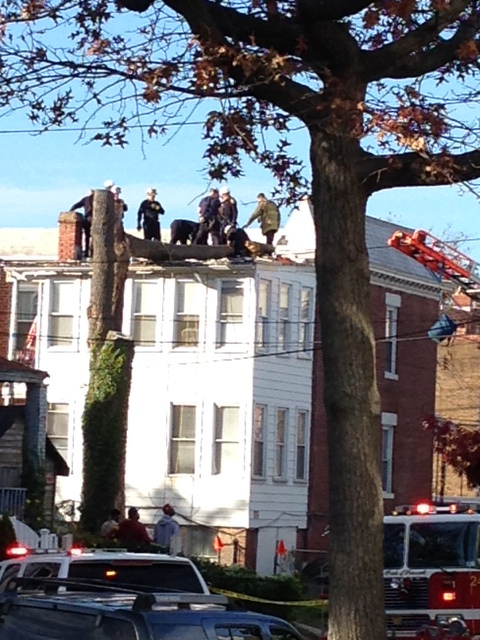
Thanks to a reader for sending from 8th and Kennedy St, NW.
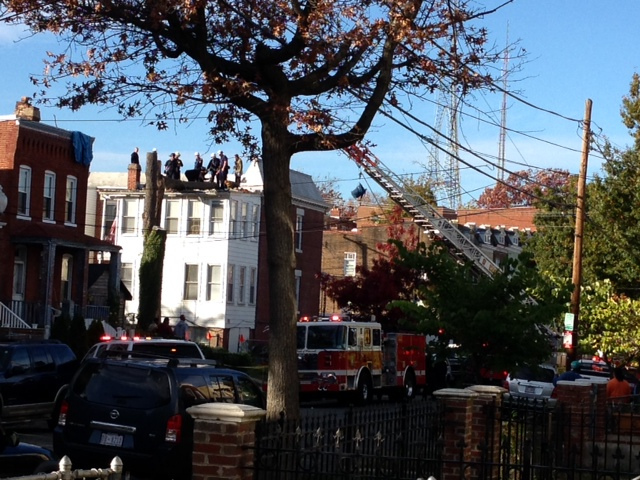


Thanks to a reader for sending from 8th and Kennedy St, NW.

The greatest tree in the District was in full effect over the weekend in Grant Circle.
Vince explains: “It’s a Deodar Cedar (Cedrus deodara). They’re not native to the US, but they do well in our soils and climate. The tree has some of the most unique branching habit”


The tree stump chair from Capitol Hill:

From Casey Trees:
“As the start of October often marks the rapid onset of fall, we have decided to celebrate the changing seasons by highlighting some of D.C.’s most colorful corridors in a new fall color map. As a visual guide, the map provides suggested viewing routes for five vibrant species. Check out more details about two of them, the ginkgo and the American elm, below and three more in October’s edition of the Leaflet.“

“Dear PoPville,
I noticed the construction project on the old bricklayer’s building on 14th between R and S has removed the trees in front of that parcel. Not that anything can be done about it now but it’s really too bad that two full size (and I believe healthy) trees on an important and busy strip were completely removed rather than being cut back to facilitate construction. Just wanted to pass word along, though maybe this is more appropriate for a rant or revel.”
You can see a bit of the former trees from when we talked about the old Kosmo.com logos revealed by the demo:

June 2013

707 H Street, NE
Looks like Addis Ethiopian restaurant is coming to the former Casual Corner space at 707 H Street, NE. It’ll be interesting to see if they can compete with the hugely popular Ethiopic located at 401 H St, NE.


From Georgetown.

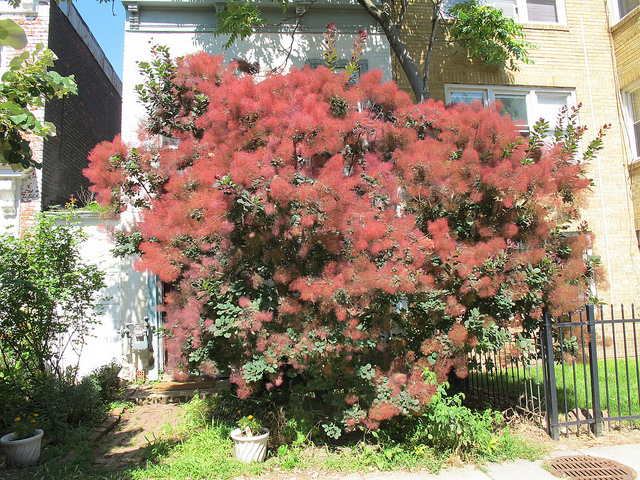
So wild. Anyone know what type this is? From Shaw.
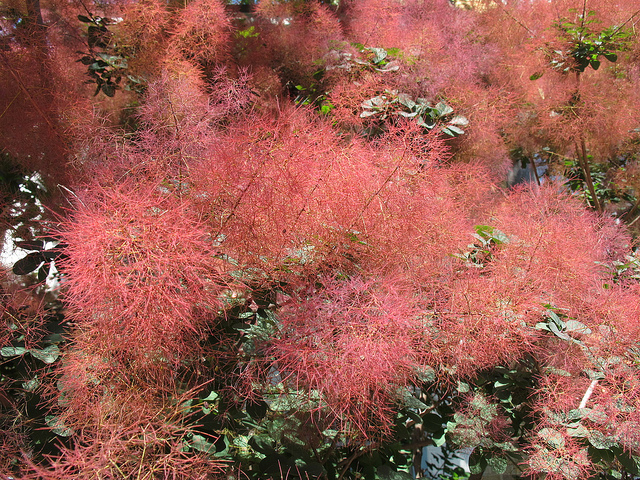

“Dear PoPville,
Do you have any idea why they are removing/cutting down all the trees on Georgia Avenue from Bonifant through Silver Spring Ave? This photo was taken yesterday and now there are no trees left. These trees provided a great cove area for people eating out at the restaurants there.”

New Hampshire and M Street, NW
Protected from the street work on New Hampshire Avenue the Democracy Tree is doing great.
