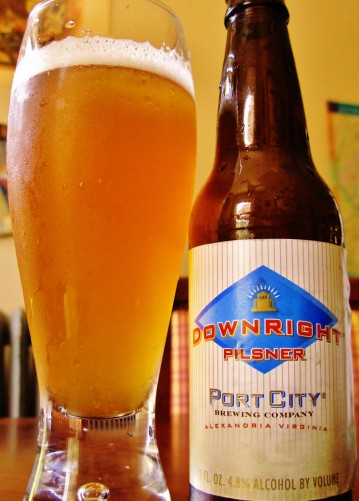
Jack Van Paepeghem works at Meridian Pint and is a Certified Cicerone® You can read his previous post about Downright Pilsner here.
Want to drink local? Drink homebrew. Have a novel idea for the next “crazy-beer?” Make your
own homebrew. Want to support local businesses, brewers, and creative minds? Support the DC
homebrew community. This blog is about our community and I think that the homebrew scene
uniquely contributes to and represents a niche yet well-established community within DC. If you
survived DC Beer Week and have been inspired to jump head first into the world of brewing,
read on, for almost all great brewers started out as homebrewers.
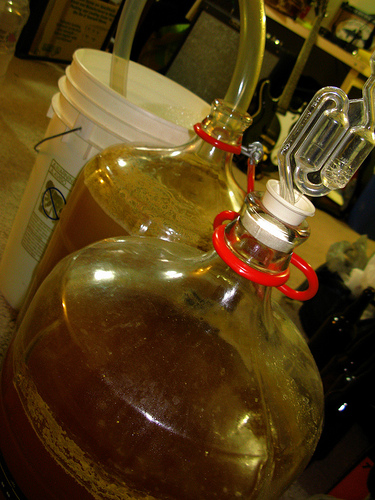
What is homebrewing? And who are homebrewers? Homebrewing is the production of beer or other fermented alcoholic beverages within the confines of one’s residence. The annual production limit is 100 gallons of beer per person, the sale of which is prohibited by law. However, this law wasn’t enacted until 1979 when Jimmy Carter repealed the prohibition-era law which completely outlawed homebrewing. Go back further and you’ll find that George Washington, Thomas Jefferson, and Ben Franklin all had a hand in homebrewing; several mid- Atlantic breweries have worked to recreate some of their historical recipes. Even President Obama now has a White House homebrewed beer. Homebrewing had its renaissance around the late 1970’s especially on the West coast. Author and avid homebrewer Charlie Papazian began circulating his texts on the “Joy of Homebrewing” and breweries like Sierra Nevada made the transition from basement to brick and mortar. Today, homebrewers are lawyers, doctors, teachers, cooks, musicians—our neighbors. The American Homebrew Association estimated that in 2010, there were over 750,000 people domestically brewing beer in the United States. More than likely you know a homebrewer who has pawned off their latest creation on you.
The idea of making beer is simple, but the effort it takes to actually produce a clean, “right” tasting beer depends on an enormous range of factors and variables, and when executed well is humbling and delicious. And when it all goes to hell, it is, well, a learning experience. If you are to take anything out of this, it is this: brewing beer is the best way to learn about beer— process, ingredients, styles, techniques, flavors, off-flavors, and just about everything that has to do with beer. And the homebrew community is an invaluable resource. Ever want to know what off flavors taste like? Just go to a DC Homebrewers meeting and try some beers from beginner brewers. My favorite was an American Wheat ale that tasted like burnt rubber and buttered popcorn which launched a discussion of washing procedures and yeast health. Don’t be alarmed by technical brewing jargon, homebrewers offer only constructive criticism and are more than happy to help you understand, and they won’t bite.
Continues after the jump. (more…)