
How can you not like butterflies? I was amazed at how vibrant these tattoos were after learning that they were two years old.


How can you not like butterflies? I was amazed at how vibrant these tattoos were after learning that they were two years old.

Not as peaceful as I’d imagine…
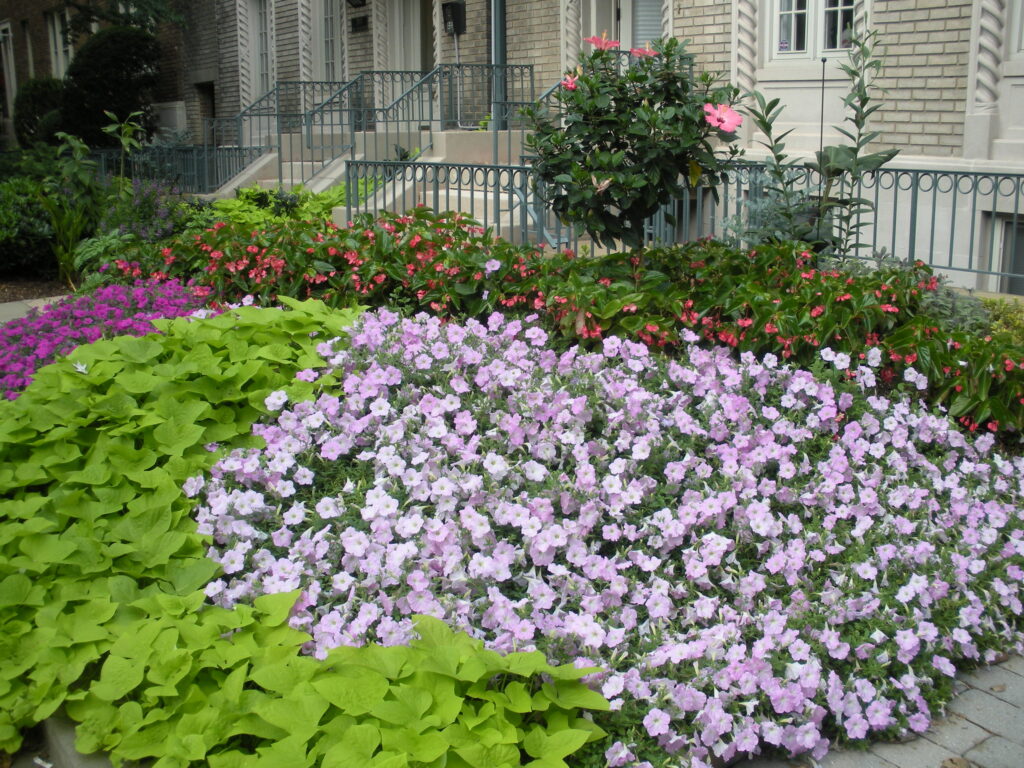
That’s a lot of a particular type of flower. Sadly I don’t know the name but I believe it originates from southern Ecuador if I’m not mistaken.

This is the Inn that was located near yesterday’s “slick house numbers” on Florida Ave. Anyone know the story here? Is it like a hostel or a proper Inn?

Here’s another cool one that is set back from the curb. Plus that window/balcony is pretty sweet.

I can’t remember if I’ve ever featured these before. But they’re certainly worth another look.

This row of houses on 13th Street used to look a bit beat up but now with some fresh paint they look, well, fresh.
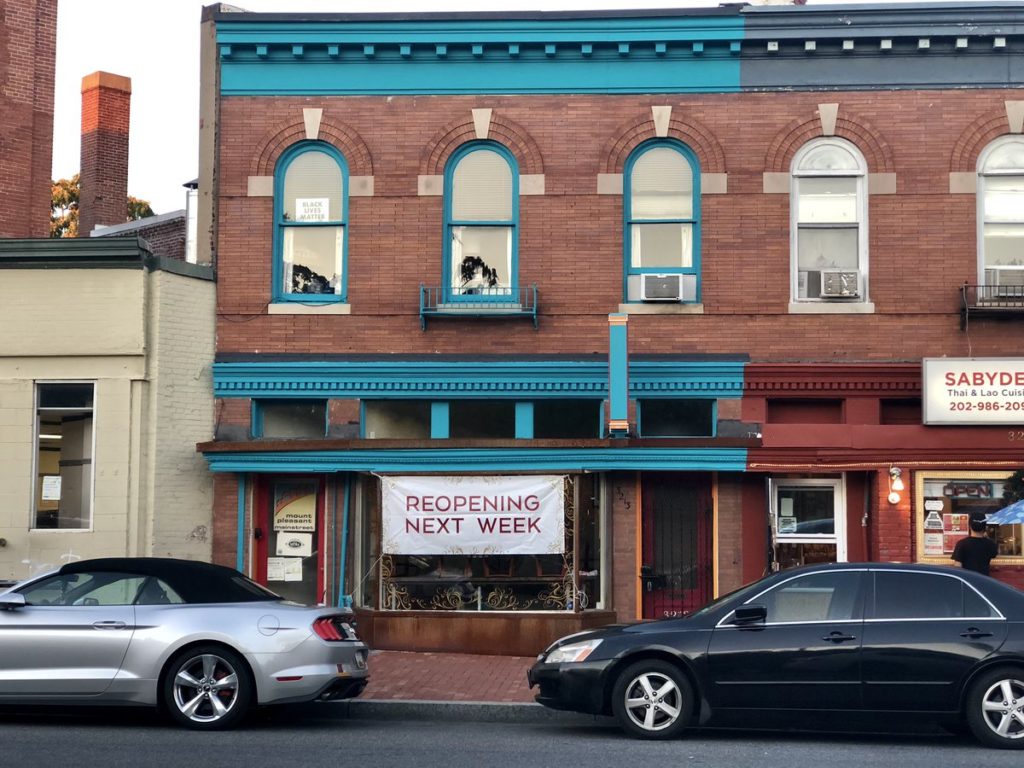
Thanks to all the readers who sent me the info. Sounds awesome. One of these days I’m going to arrange a PoP walking tour…
“Saturday, September 13
10 a.m. – 12:00 p.m. Walking Tour
Mt. Pleasant
Historical Society of Washington, DC
Admission: Free
Join master guide Jeanne Fogle on a guided walking tour around the
District’s historic Mt. Pleasant. Between 16th Street and Rock Creek
Park, just north of lively Adams Morgan, is the culturally diverse,
Mount Pleasant neighborhood. In 1727, Charles Calvert, 5th Lord
Baltimore awarded a land grant for present day Mount Pleasant to
James Holmead. This estate also included Adams Morgan, Columbia
Heights, Park View, and Pleasant Plains neighborhoods. James’s son,
Anthony, inherited the estate in 1750, and named it Pleasant Plains.
In the early 1800s a popular racetrack was built in Pleasant Plains
and the streets were named for colleges, universities and scholars,
and some streets like Harvard Street, still exist. During the Civil
War, New England native, Samuel P. Brown, bought 73 acres of estate
between 14th and 17th Streets NW. After the war, he sold the land in
parcels, and called it Mount Pleasant Village because the area was
the highest elevation land in the original Pleasant Plains estate.
With the development of Washington’s streetcar system, Mount
Pleasant, was ripe for development. Between 1900 and 1925 many
houses and apartment buildings were constructed. Mount Pleasant was
marketed to middle to upper-middle-class people. Washington
luminaries like actress Helen Hayes, Washington Senators’ pitcher
Walter Johnson, and US Senator Robert LaFollette made their homes in
Mount Pleasant.
For the walk, wear comfortable walking shoes and bring a bottle of
water. No recording devices may be used to record the content of the
tour as it is given. Meeting place: Mt. Pleasant Library, 1600
Lamont Street, NW. Limit 25 people. Registration required. (Ages 12
to Adults) [email protected] or 202-383-1828 FREE”
The article is about Harlem but I think some folks in our neighborhoods may be able to relate. The article starts:
“In the past few years, the “Village of Harlem,” as older residents still call it, has become a 21st-century laboratory for integration. Class and money and race are at the center of the changes in the neighborhood. Lured by stately century-old brownstones and relatively modest rents, new faces are moving in and making older residents feel that they are being pushed out. There have been protests, and anger directed as much at the idea of the newcomers as at them personally.
Through it all, the voices of those newcomers have often gone unheard, at least publicly. But to listen to them is to hear the story of a neighborhood in transition from a different perspective. For some, it is a daily struggle to fit in or an extra effort to develop a defense for the occasional flare-ups of anger they encounter. Others are charmed by Harlem’s quaint formalities and distinct sense of its history — qualities they say are missing in neighborhoods in the rest of the city.”
Read the full article here.
For more interesting reading from the Times there is also an interesting article about a guy who “spent the summer building an 80-square-foot “tiny house” out of free stuff he found on Craigslist”.

So I was overjoyed to see it listed as Washingtonian’s Estate of the Week. When walking by this house at 3411 Ordway St., NW you usually only get to see the top three curves but you could get a taste of how cool it was. Apparently it was designed by I.M. Pei. For the curious it is going for $3,825,000. More info over at Washingtonian.
Sweet pool too, yeah?