

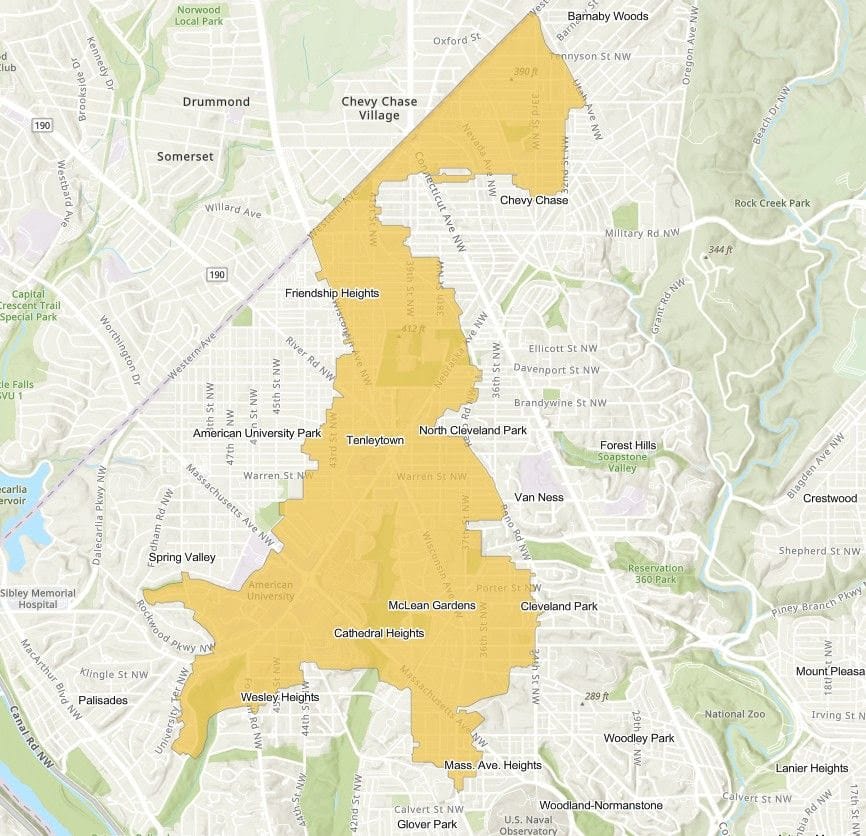
From DC Water:
“The District of Columbia Water and Sewer Authority (DC Water) is issuing a Boil Water Advisory today for some customers in Northwest DC that experienced a loss of water pressure on Friday, June 5, 2026, impacting 4,970 customers.
This is a precautionary notice to customers in the impacted neighborhoods to boil water prior to ingesting, due to water of unknown quality in this localized area of the system. Do not drink the water without boiling it first. This advisory will remain in place until follow-up testing confirms the water is safe to drink.
DC Water advises customers to search their address on the interactive map at dcwater.com or call the 24-Hour Command Center at (202) 612-3400 to determine if they are in the impacted neighborhoods of this advisory. Customers in the impacted area should boil water used for drinking and cooking. Customers outside this area can continue normal water use.
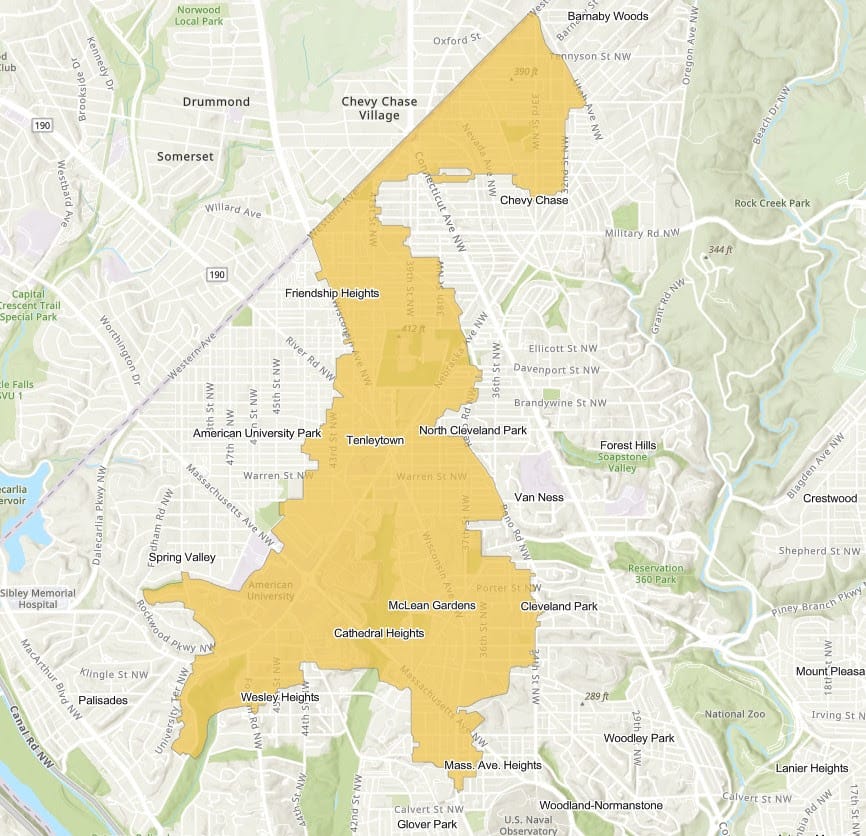
Impacted neighborhoods include areas of Chevy Chase DC, Friendship Heights, Tenleytown, AU Park, Spring Valley, Cleveland Park, Woodley Park, Van Ness, Glover Park, Wesley Heights, and Cathedral Heights
Customers in the impact area should follow this guidance at this time:
Discard any beverages and ice made after 12 p.m. on Friday, June 5, 2026.
Run cold water until clear (if discolored) prior to boiling.
Run cold water for 2 minutes if known sources of lead are present prior to boiling. If possible, first filter the water using an NSF/ANSI Standard 53 lead-certified and 42 for particle reduction filter, and second boil it.
Bring water to a rolling boil for 1 minute and let it cool.
Store cooled water in a clean, covered container.
Cooled, boiled water or bottled water should be used for:
Drinking
Brushing teeth
Preparing and cooking food
Washing fruits and vegetables
Preparing infant formula
Making ice
Giving water to pets
*Do not use home filtering devices in place of boiled or bottled water.
What happened (Background)
Around 12 p.m. on June 5, 2026, DC Water received several calls from customers in Northwest DC who were experiencing low pressure. At the same time the Fort Reno Pumping Station experienced fluctuating power issues, with a full loss of power impacting pumping capabilities around 12:30 p.m. DC Water assessed the system and confirmed low or no pressure at multiple locations within the impacted area.
Power was restored around 1:26 p.m. Crews are still investigating the root cause, and teams are onsite to monitor power and ensure back-up systems are operational.
Due to the loss of pressure in the distribution system, this may cause backpressure, backsiphonage, or a net movement of water from outside the pipe to the inside through cracks, breaks, or joints in the distribution system that are common in all water systems. Pressure loss could result in a high potential that fecal contamination or other disease-causing organisms could enter the distribution system. These conditions may pose an imminent and substantial health endangerment to persons served by the system. We are still investigating the cause of the pressure loss and will test the water once the cause is identified and corrected.
Bacteria and other disease-causing contamination such as viruses and parasites can cause symptoms such as diarrhea, cramps, nausea, headaches, or other symptoms. They may pose a special health risk for infants, young children, some of the elderly and people with severely compromised immune systems.
The symptoms above are not only caused by microbes in drinking water. If you experience any of these symptoms and they persist, you may want to seek medical advice. People at increased risk should seek advice about drinking water from their health care providers.
We have no information that the water was contaminated by this incident but issue this advisory as a precaution while we test the water. DC Water will collect samples in the impacted area. The advisory will be lifted when tests on two consecutive days show no bacteria are present, and all customers can continue normal water use, which we anticipate will be on Sunday, June 7, 2026, at the earliest.
Please share this information with all the other people who drink this water, especially those who may not have received this notice directly (for example, people in apartments, nursing homes, schools, and businesses). You can do this by posting this notice in a public place or distributing copies by hand or mail.
Customers with questions can contact DC Water Customer Service at (202) 354-3600 (Monday-Friday, 8 a.m. to 5 p.m.) or the 24-Hour Command Center at 202-612-3400.”