With Thanksgiving over and still a few weeks until Christmas, we can resume our normally scheduled 300+ DC Open Houses. While the market isn’t moving as fast as a few months ago, this time of year is prime to find a good deal as people begin to drop prices in hopes of getting a contract before the new year rolls around. Check out some of our favorite open houses below and to see the complete Open House List, click here.

- 2216 S Street NE — $685,000 — Arboretum
Open Sun. 1-3 p.m. — Mandy & Tim Hursen Jr.
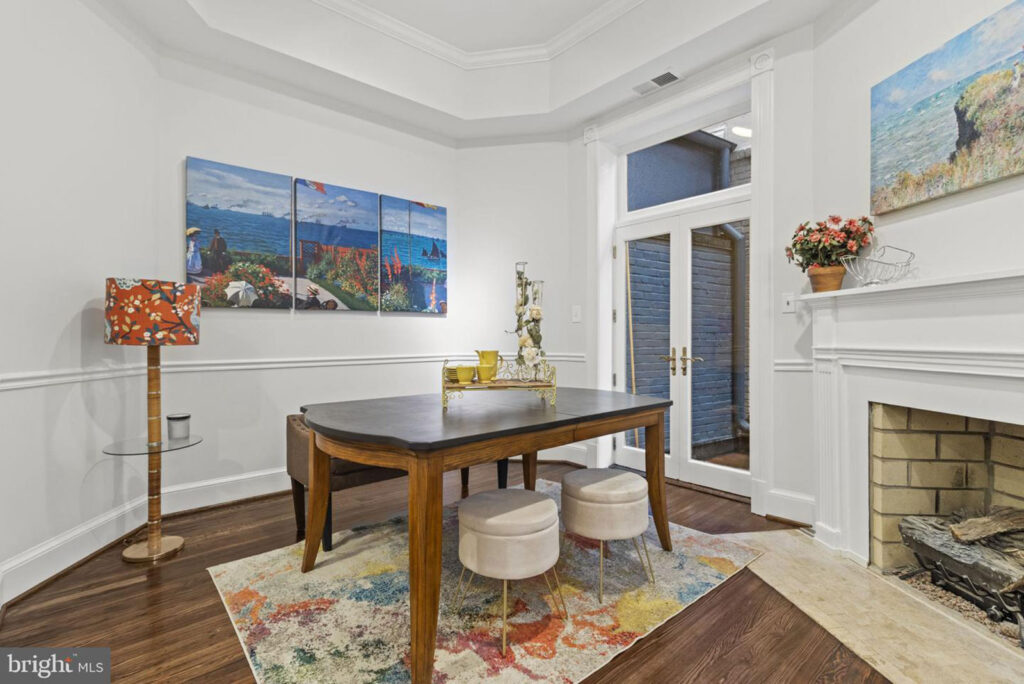
“Adorable cape cod in one of Washington, D.C.’s most idyllic neighborhoods! This wonderful home features 3 bedrooms and 2 full baths, off-street parking and a fully fenced back yard with patio, yard and gazebo. Roof and HVAC were recently replaced. Amazing opportunity! A DETACHED brick home with a yard and parking in a wonderful neighborhood for LESS than $700k!! And, you’ll be living next to the US National Arboretum with over 450 acres of green space: trees, gardens, flowers, meadows, herbs, wildlife, ponds, and trails for walking, driving and biking. The newly improved DC Recreation Center provides a business center, indoor and outdoor basketball courts, tennis and pickleball courts, a workout area, and several playgrounds. You can also look forward to the renowned Douglas Developments’ New City DC, a large-scale retail, restaurant, and residential development, which will be conveniently located just down the street.” - 49 49th Street SE — $522,000 — Marshall Heights
Open Sat. & Sun. 11 a.m.-1 p.m. — Troy Patterson & Eric Nicholson
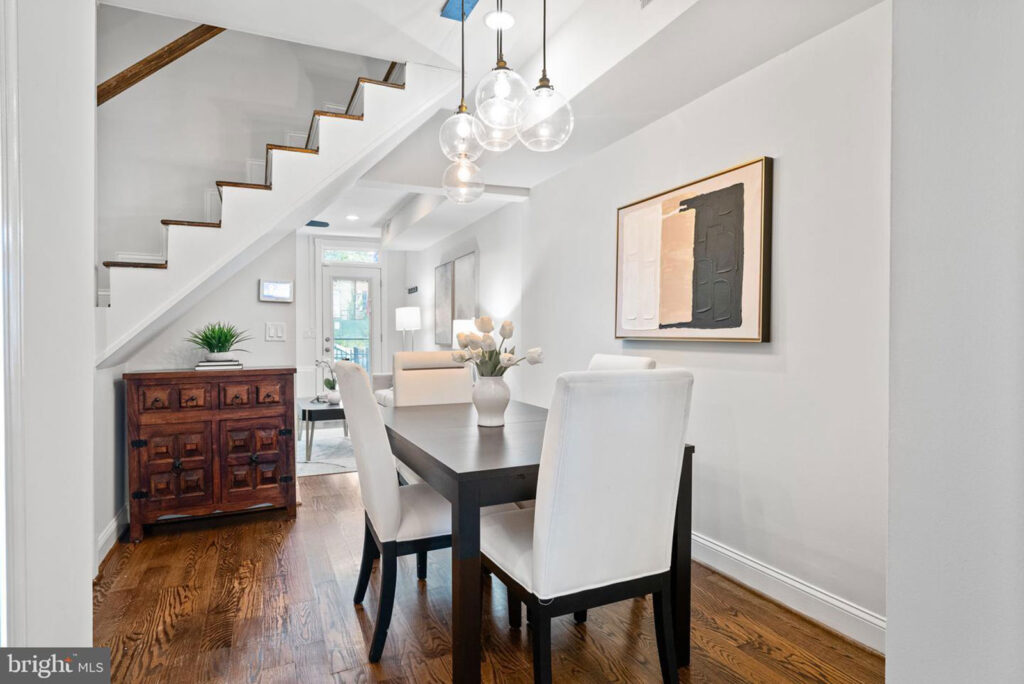
“Allow us to introduce the District’s latest new home development! Beautifully designed and meticulously crafted 28 unit townhome community, this is your chance to own in one of the fastest growing communities in D.C. This affordable housing community has limited availability and features 3 bedroom and 2.5 bath homes with parking.” - 1201 Q Street NW #401 — $739,000 — Logan Circle
Open Sun. 2-4 p.m. — Monique Van Blaricom
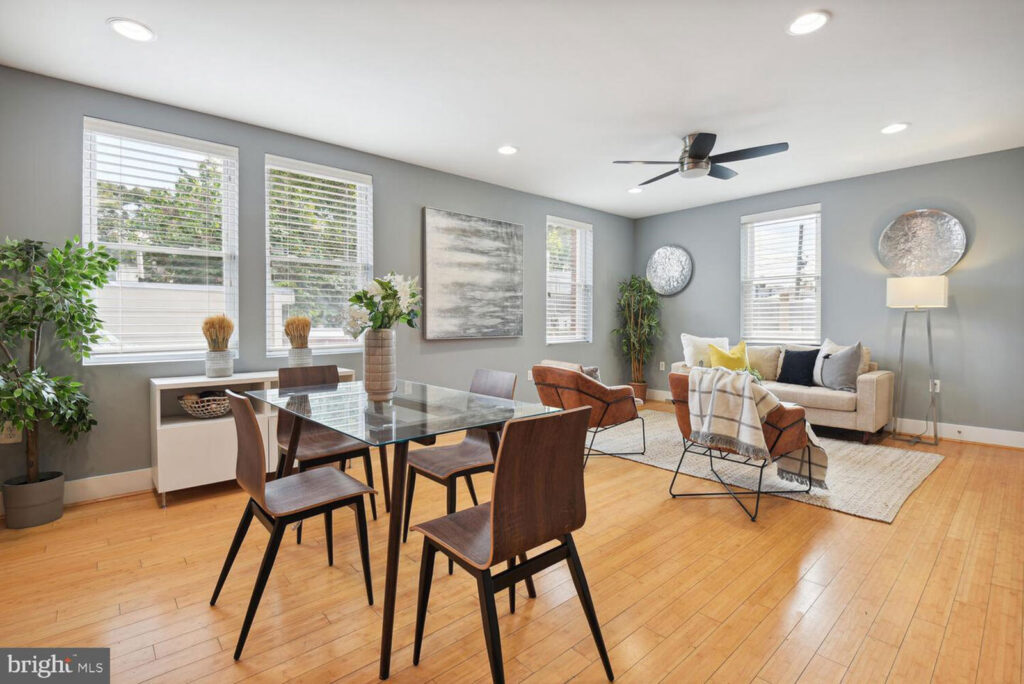
“Introducing The Leumass, where unit #401 awaits — a truly unique 2-level turret property boasting open views and an expansive private rooftop deck. Upon entry, bask in an abundance of natural light and stunning hardwood floors. Two bedrooms flank the main hallway, while further in, discover the in-unit washer and dryer, along with a full bathroom.The unit then unfolds into a spacious open-concept kitchen, living, and dining area — perfect for entertaining.” - 4820 S Dakota Avenue NE — $650,000 — Brookland
Open Sat. 1-3 p.m. — Daniel Llerena & Lana Duran
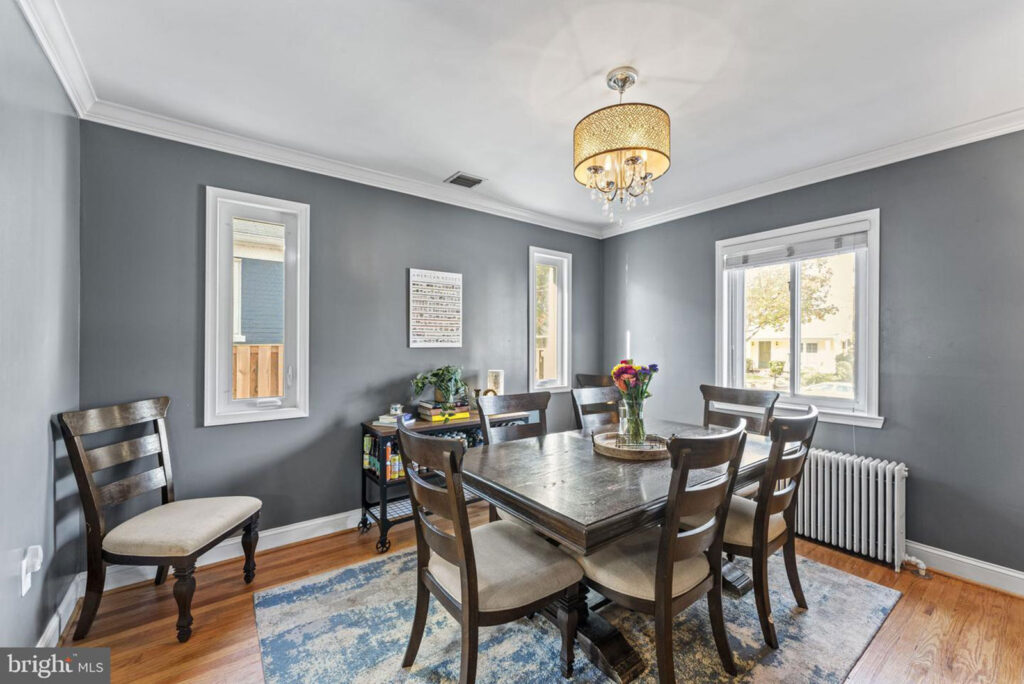
“This newly renovated turn-key 3-bedroom, 2 full bath home is located in the highly sought-after Brookland. This home has the ideal floor plan for both relaxation and entertainment. The home features an updated kitchen with stainless steel appliances, quartz countertops, 42” cabinets, a combination of hardwood floors and carpet throughout, updated bathrooms, freshly painted inside and out, new windows, new light fixtures, updated water heater and HVAC system, ensuring your living experience is nothing short of exceptional.” - 601 Wharf Street SW #209 — $1,999,000 — Southwest Waterfront
Open Sun. 1-3 p.m. — Lynn Tsao
“This thoughtfully designed two-bedroom, two-and-a-half-bath residence features an expansive balcony with direct water views. Residence 209 offers a gourmet kitchen with custom Italian kitchen cabinetry and hardware by Stevali with under-cabinet lighting, premium Thermador and Bosch appliances, and a honed marble kitchen island. The primary suite, with its luxurious bath, custom Italian cabinetry, backlit vanity mirrors by Stevali, and spacious closets, provides a serene space.”